

The Indoor Jungle Guide: Pet-Safe vs. Toxic Tropical Houseplants (And the Perfect Swap for Every Room)
Lush, oversized leaves, intricate variegation, and deep forest greens—bringing the vibrant energy of the tropics into your home—are among the most rewarding ways to design a space. But if you share your home with curious cats or enthusiastic dogs, building an indoor jungle requires an extra layer of care.
Many of the most popular tropical plants on social media carry a hidden danger: they contain natural defense mechanisms that are highly toxic to pets.
Fortunately, you don’t have to choose between your furry family members and your love for botanical design. This comprehensive guide breaks down which popular tropical houseplants are unsafe for pets, why they pose risks, and the exact pet-safe alternatives that deliver the same tropical aesthetic without the risk.
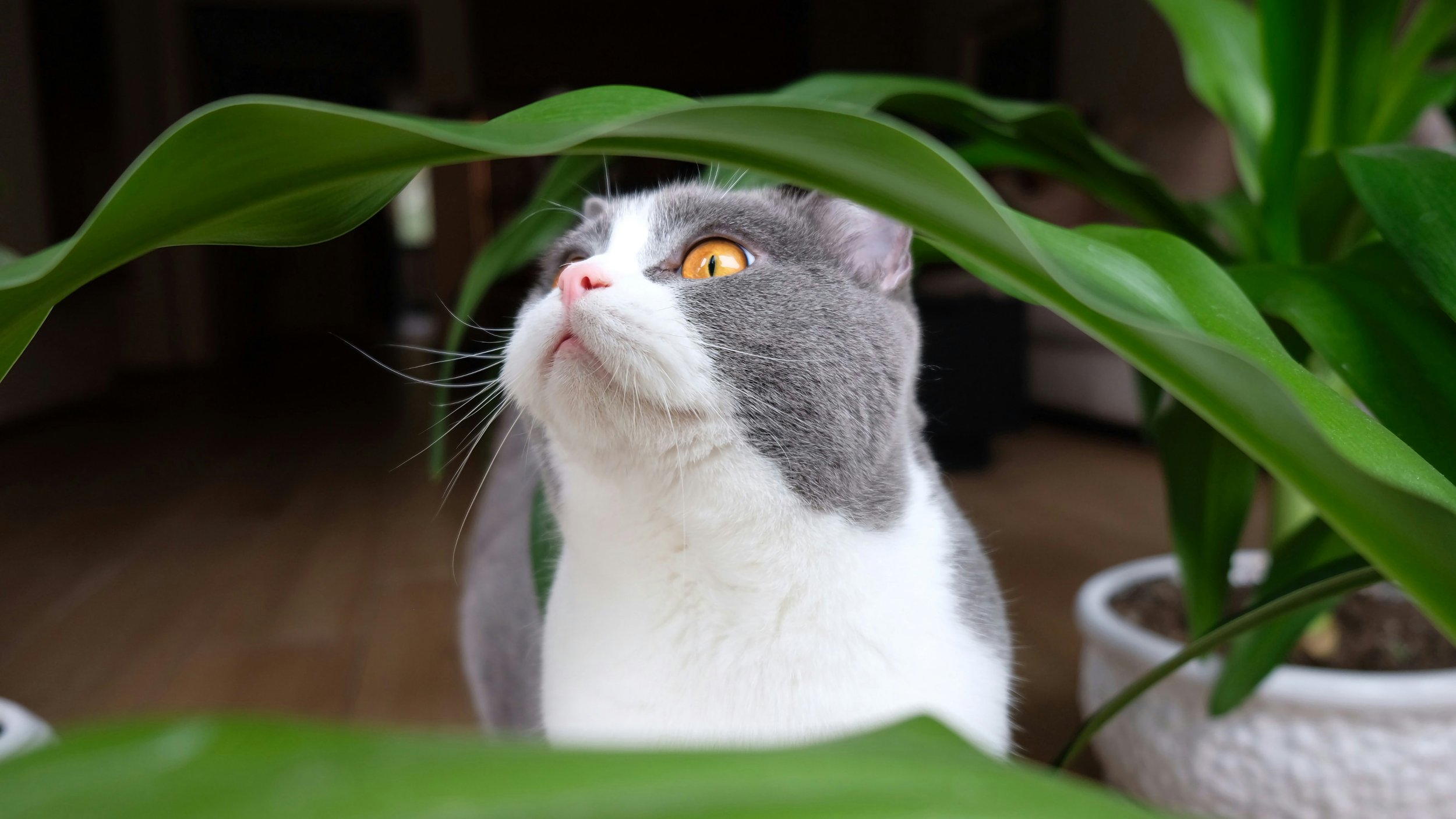
The Danger Zone: Popular Toxic Tropical Houseplants
Before bringing a new plant home, it’s essential to know what makes certain species toxic. For most tropicals, the culprit is insoluble calcium oxalate crystals. When a pet chews into the leaf or stem, these microscopic, needle-like crystals shoot out, embedding themselves in the tongue, mouth, and throat, causing immediate burning, swelling, and intense oral irritation.
Here are the most common toxic tropicals found in modern homes:
1. Monstera deliciosa (Swiss Cheese Plant)
The Draw: Iconic, massive leaves with dramatic splits and fenestrations that instantly anchor a room.
The Danger: Contains insoluble calcium oxalate crystals. Chewing on the leaves causes severe oral pain, drooling, vomiting, and difficulty swallowing.
2. Alocasia (Elephant Ears)
The Draw: Prized for their dramatic, shield-shaped leaves, stark contrasting veins, and velvet textures (like the Alocasia black velvet or Alocasia polly).
The Danger: Extremely high concentration of calcium oxalates. Ingestion can cause intense swelling of the mouth and upper airway, which can become dangerous if a large amount is consumed.
3. Philodendron (Climbing & Self-Heading Varieties)
The Draw: Incredibly versatile, fast-growing, and available in stunning variegations (like the Pink Princess) or deep hues.
The Danger: Heavy carrier of calcium oxalates. Even a quick nibble on a trailing vine can cause drooling and pawing at the mouth. (Note: Pothos is another common vine that shares these toxic traits and should also be avoided.)
4. Dieffenbachia (Dumb Cane)
The Draw: Broad, light-filled green leaves with striking cream and yellow variegation.
The Danger: It earned the common name "Dumb Cane" because the intense localized swelling from its calcium oxalates can temporarily render an animal (or human) unable to speak or swallow.
The Safe Zone: Beautiful, 100% Pet-Safe Tropical Swaps
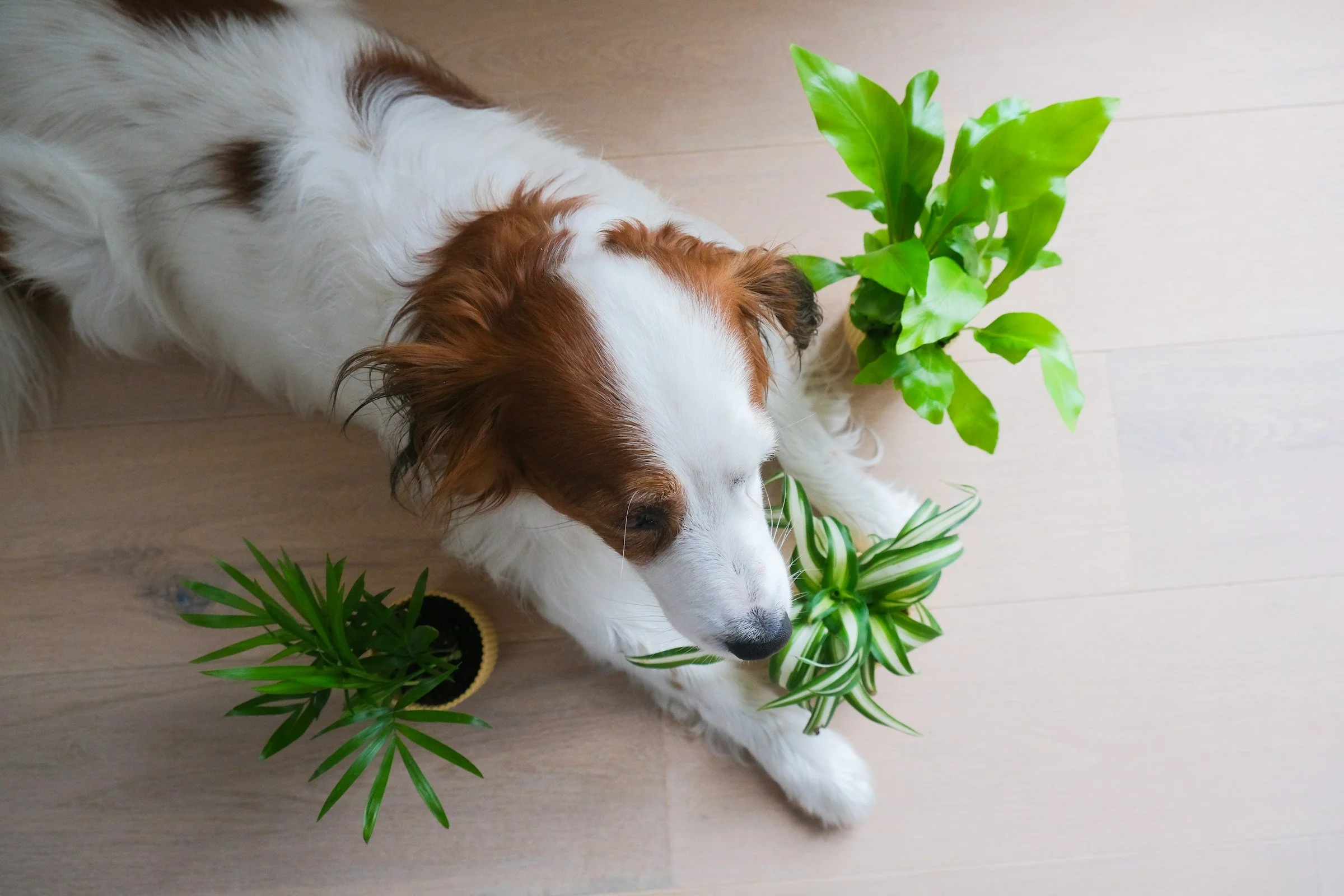
If you have a pet that loves to investigate your greenery, you can still get that high-end, dramatic look. Here are four incredible, ASPCA-approved pet-safe tropical alternatives that perfectly mimic the style of their toxic counterparts.
1. Swap Monstera deliciosa for Pinnate Fishtail Palm (Caryota mitis).
The Look: For a massive, architectural statement plant to fill a bright corner, a high-quality Palm delivers vertical drama with broad, split-leaf tropical texture.
Bonus Alternative: For a smaller trailing look with holes that mimic Monstera adansonii, consider Peperomia 'Hope' or String of Turtles (Peperomia prostrata). Peperomias are completely non-toxic to cats and dogs.
2. Swap Alocasia for Calathea or Maranta (Prayer Plants)
The Look: Drawn to dramatic textures and bold veining? The Marantaceae family is your perfect haven. Calathea orbifolia offers massive, round leaves with graphic silver stripes, while Red Maranta provides stunning contrasting veins.
Why They’re Great: They share Alocasia’s native habitat—damp, humid rainforest floors—and similar care routines but are completely non-toxic. Note that these plants may require higher humidity and consistent moisture.
3. Swap Trailing Philodendrons for Swedish Ivy (Plectranthus verticillatus), Grape Ivy (Cissus alata), or Spider Plant (Chlorophytum comosum)
The Look: For lush green cascading vines spilling over shelves, Swedish Ivy, Grape Ivy, and Spider Plant offer safe options with beautiful, scalloped leaves that tolerate indoor conditions well.
4. Swap Dieffenbachia for Cast Iron Plant (Aspidistra elatior)
The Look: For bold, upright, paddle-shaped foliage that thrives even in lower light, the Cast Iron Plant brings deep, glossy tropical green into the space. It’s nearly indestructible and entirely safe for pets.
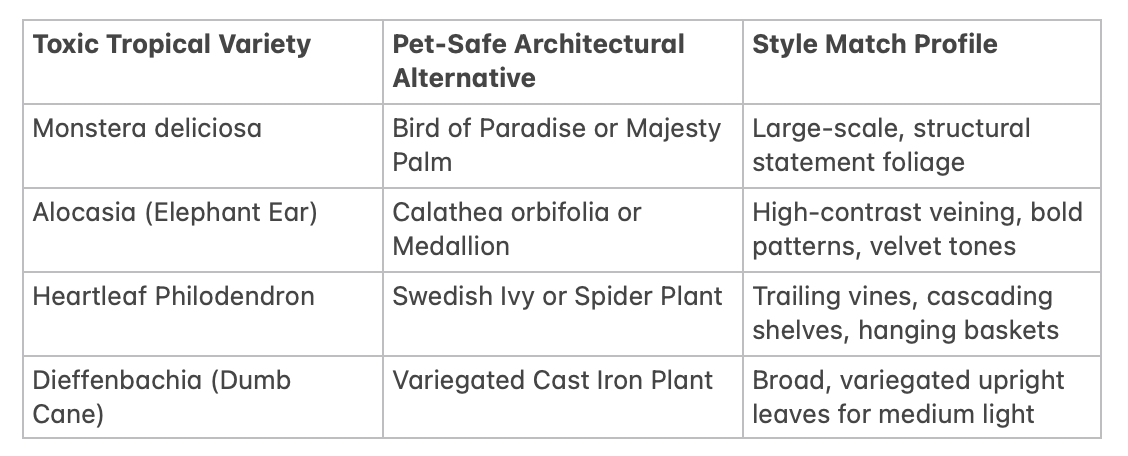
Quick Reference Diagnostic: Pet-Safe vs. Toxic
What to Do If Your Pet Chews a Toxic Plant
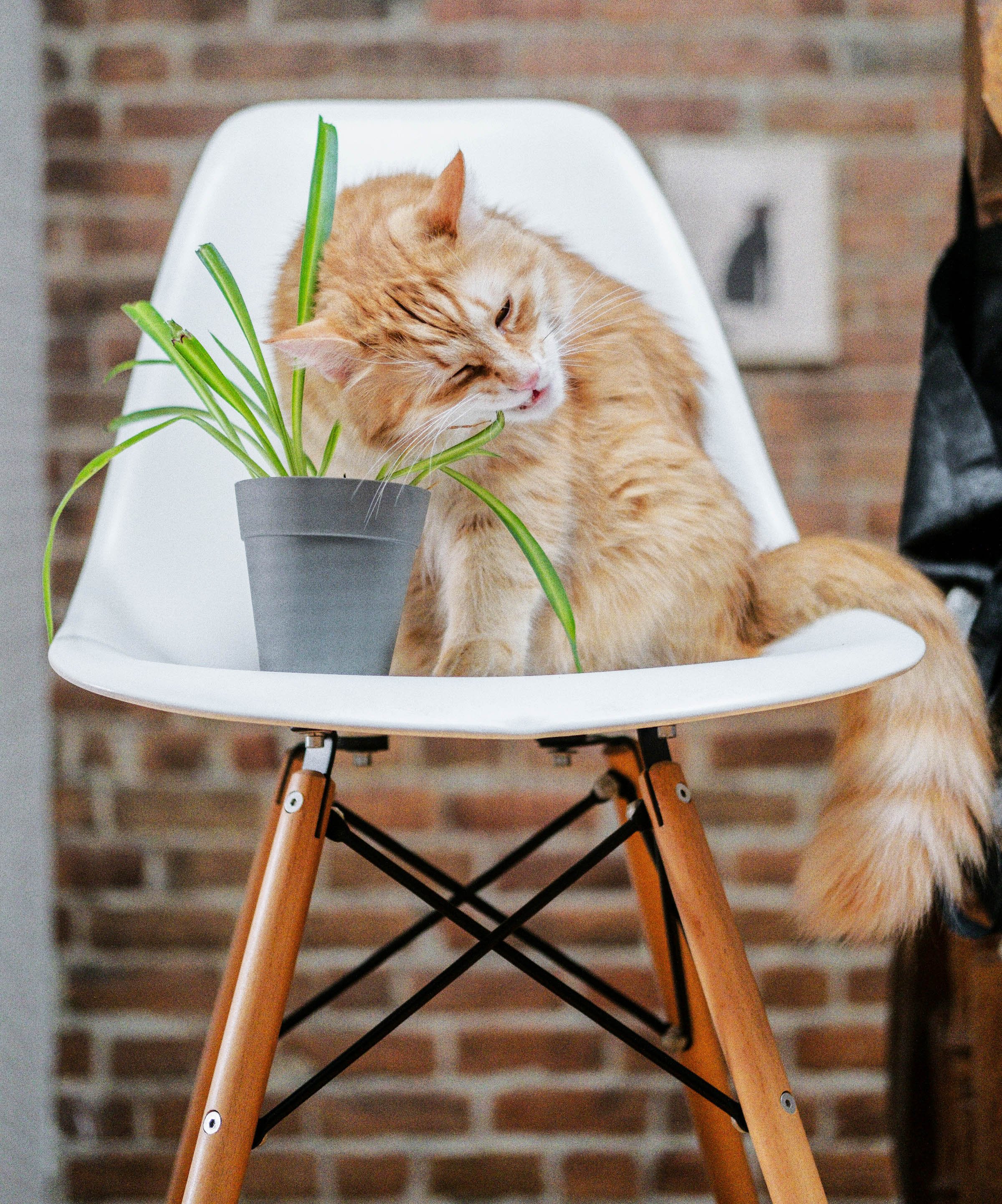
The plant pictured is a spider plant (Chlorophytum comosum), which is non-toxic to cats and dogs.*
Even with the best planning, accidents happen. If you catch your cat or dog chewing on a toxic tropical plant, watch for immediate signs of oral irritation:
Excessive drooling or foaming at the mouth
Pawing at the face or mouth
Sudden vomiting
Visible swelling of the lips or tongue
The First-Aid Step:
Gently flush your pet’s mouth with fresh water to soothe irritation. You can also offer a small amount of milk or yogurt to help neutralize the calcium oxalates.
Contact the Professionals:
Immediately call your local veterinarian or the ASPCA Animal Poison Control Center (888-426-4435) for guidance. Taking a quick photo of the specific plant your pet chewed can help the medical team accurately identify the species.
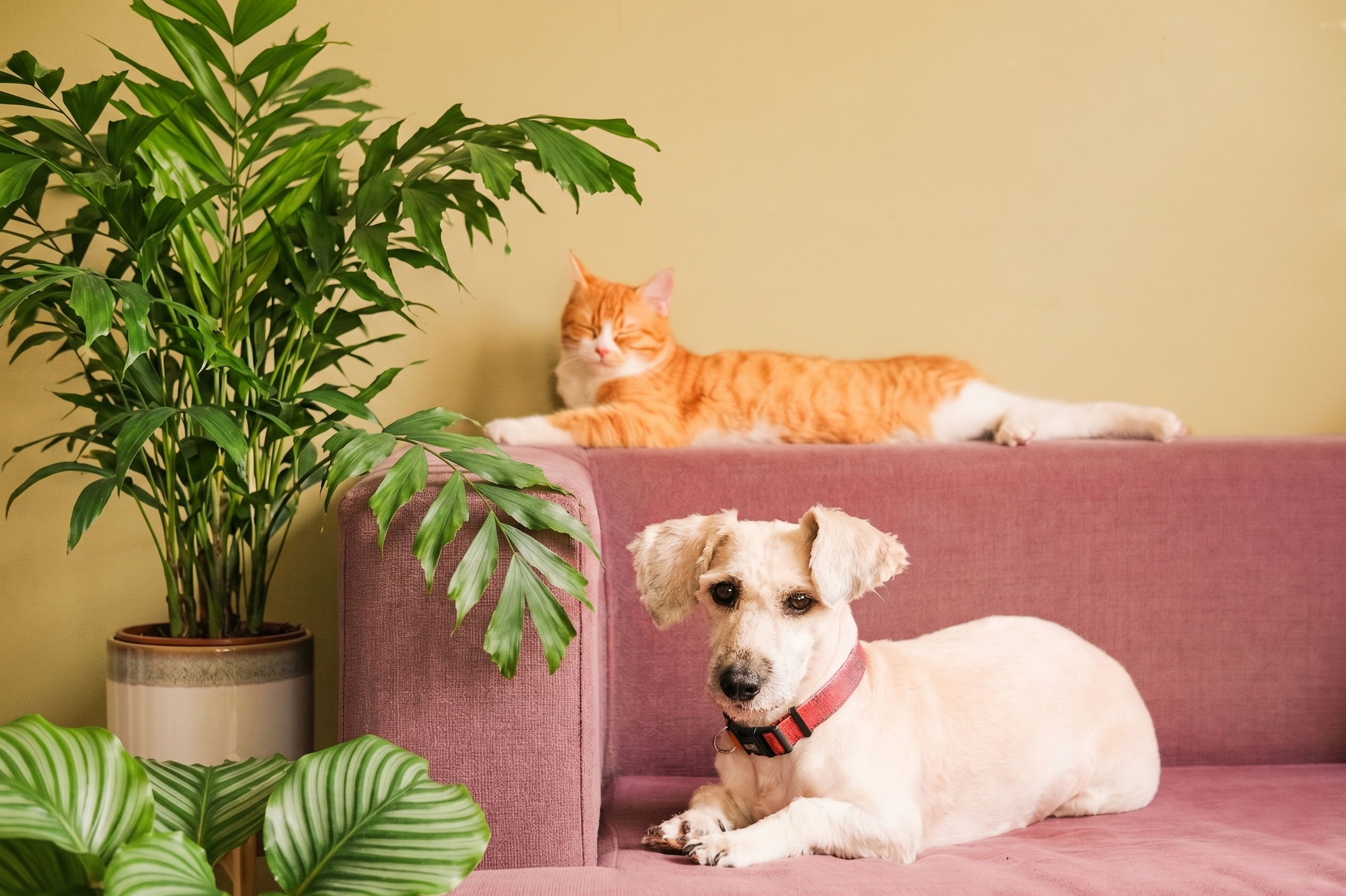
By intentionally choosing safe alternatives like Palms, Calatheas, and Peperomias, you can curate a stunning, light-filled indoor oasis that keeps your home beautiful and your pets completely safe.
*It is important to note that even safe, non-toxic plants can cause mild stomach discomfort.
To prevent stomach upset, it is best to keep the plant out of your pet's reach, ideally in a hanging basket.