

A Guide to Identifying and Caring for Your Tropical Houseplant
Bringing a new tropical plant home is incredibly exciting, but it can also be a little mysterious if the pot only comes with a generic label like “Tropical Foliage.” Knowing exactly what kind of plant you have is the secret first step to keeping it alive and thriving.
Fortunately, you don’t need a degree in botany to figure it out. By looking at a few distinct physical clues—or using a little smartphone magic—you can easily identify your green roommate and give it the perfect amount of love.
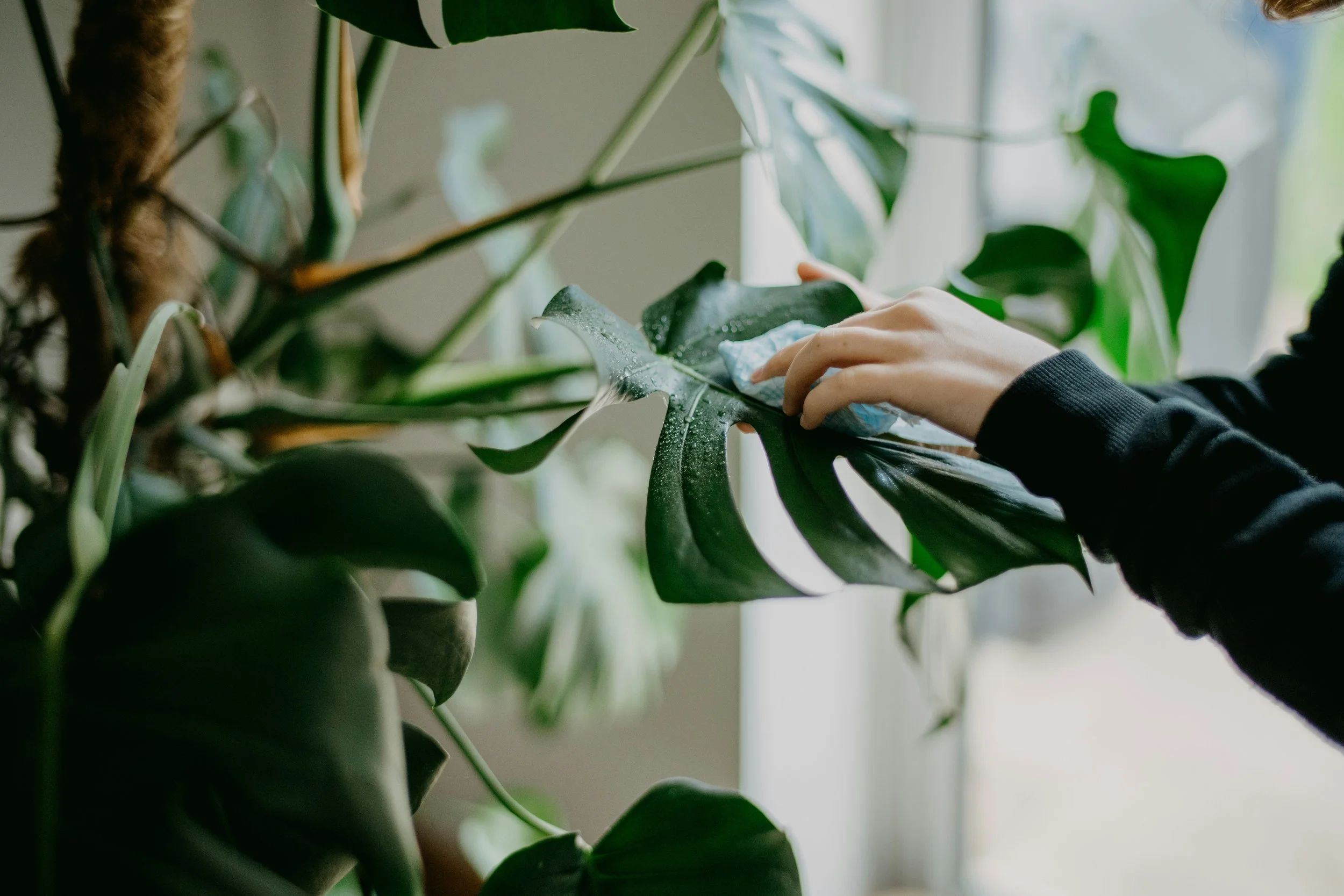
1. Look closely at the leaves
The shape, texture, and patterns of a plant's leaves tell a huge story. Look for these specific traits:
The Holes (Fenestrations): Do the leaves have dramatic splits or window-like holes? You're likely looking at a Monstera deliciosa. In the wild, these unique holes allow heavy jungle rain and wind to pass through the leaves without tearing them.
The Shape: Heart-shaped leaves that trail down or climb up a totem usually belong to the friendly Philodendron or Pothos families.
The Patterns (Variegation): Look for splashes of white, cream, or yellow mixed in with the green. High-contrast patterns are a hallmark of popular tropical varieties, which often need a bit more bright light to keep those gorgeous colors vivid.
2. Use your phone's camera for instant ID
If you are still stumped by a unique leaf pattern or shape, your smartphone is actually the fastest plant identifier in the world. You can use the built-in visual search on your phone to get an accurate name in seconds.
Here is how to do it using the Google app:

1. Open the Google app: Ready your phone.
Open the standard Google search app on your iPhone or Android device.
2. Tap the camera icon: Activate visual search.
Look at the right side of the main search bar. Tap the small camera icon (this launches Google Lens).
3. Snap a clear photo: Capture the details.
Point your camera at a single, well-lit leaf or the whole plant. Tap the shutter button to search. Tip: Make sure the photo is in focus and captures any distinct veins or patterns!
4. Browse the matches: Find your plant.
Google will instantly scan the image and pull up visual matches, care blogs, and the exact botanical name of your tropical plant.
3. Master the tropical care basics
While every species has its own subtle quirks, most tropical houseplants share a common jungle heritage. If you mimic their natural habitat, they will reward you with steady growth.
Bright, indirect light is king
Think about a rainforest floor: tall trees filter the harsh sun, creating a dappled, glowing environment below.
The Goal: Place your plants in a room with plenty of natural light, but keep them just out of the path of direct, burning sunbeams. Near an east- or west-facing window is usually a sweet spot.
Keep the air cozy
Tropical plants love humidity. If your home has dry indoor air (especially when the heater or air conditioner is blasting), your plants might get crispy brown edges. Grouping your plants closely together or placing a small humidifier nearby can make a world of difference.
4. The golden rule of watering
Overwatering is the number one mistake plant parents make. Tropical plants love moisture, but they absolutely hate sitting in soggy, stagnant mud, which leads to root rot (where the roots drown and decay).
Instead of watering on a strict calendar schedule, use the simple finger test.
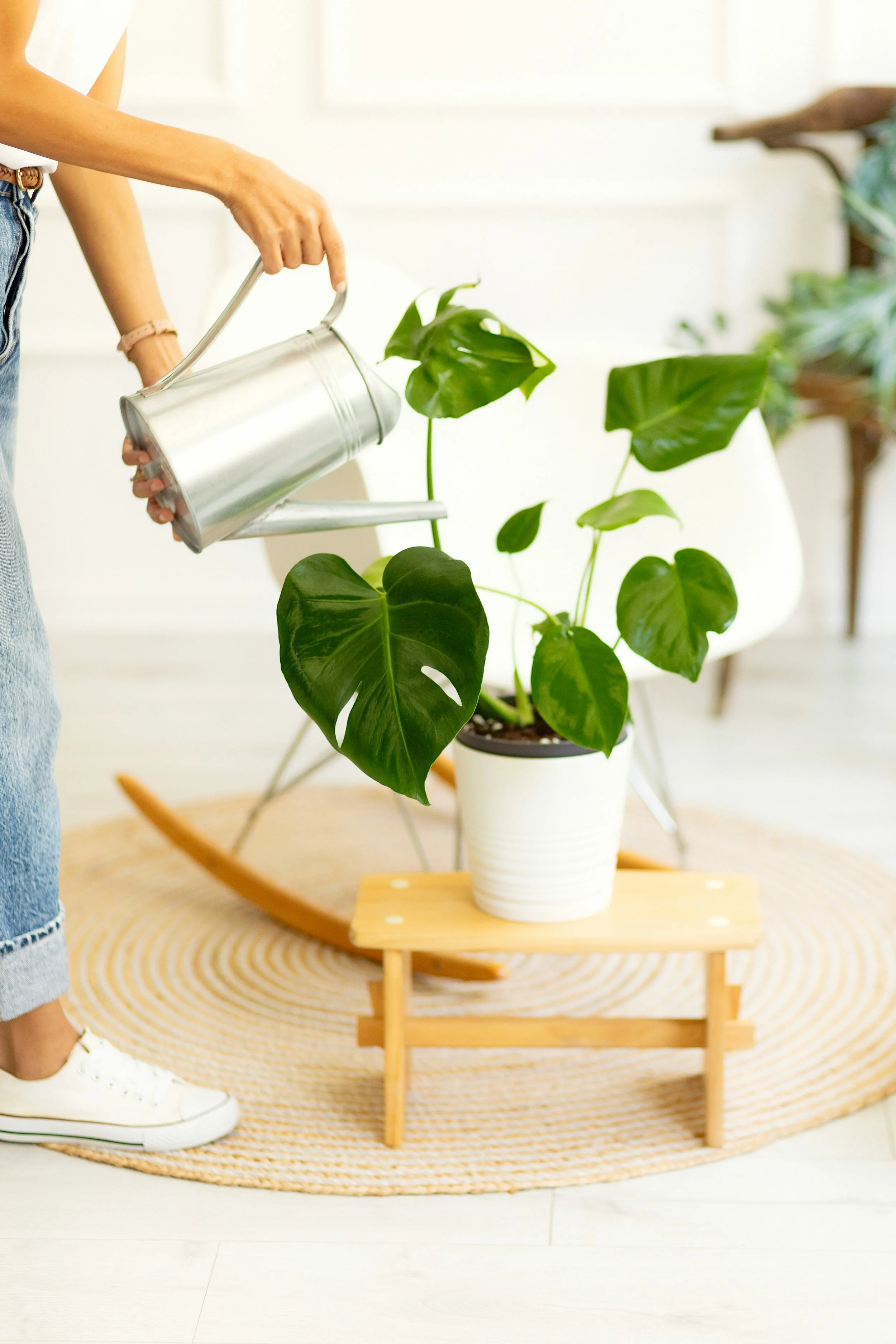
1. Test the soil depth: Every 7-10 days.
Push your index finger about 1 to 2 inches deep into the soil.
2. Check for moisture: Look and feel.
If the soil feels damp and sticks to your skin, hold off. If it feels completely dry and loose down to your fingertips, it’s time for a drink.
3. Water thoroughly: Drench and drain.
Pour water evenly over the soil until it runs out of the drainage holes at the bottom of the pot. This ensures all the roots get a drink.
4. Empty the saucer: Never let it sit.
After 15 minutes, empty any excess water that has collected in the tray underneath the pot. Never let your plant's "feet" stay wet!
Quick Tip: If your plant's leaves are turning yellow and drooping, it's often a sign of too much water. If they are curling, looking limp, and the soil is bone dry, it's thirsty!