

The Indoor Jungle Defense Guide: 5 Common Tropical Houseplant Pests and How to Defeat Them
There is nothing quite like the lush, vibrant energy of a tropical houseplant collection. But if you have ever spotted a strange white fuzz, a faint web, or a sudden swarm of tiny flies, you know how quickly that indoor paradise can feel like a horror movie.
Because tropical houseplants thrive in warm, humid environments, they are unfortunately the perfect targets for a few notorious bugs.
Fortunately, you do not need to douse your living room in harsh chemicals to save your plants. Below is a breakdown of the five most common tropical houseplant pests, how to treat them with standard home remedies, and how to deploy nature’s secret weapon: beneficial predatory bugs that you can purchase and sprinkle right onto your plants indoors to eat the pests for you.
1. Spider Mites
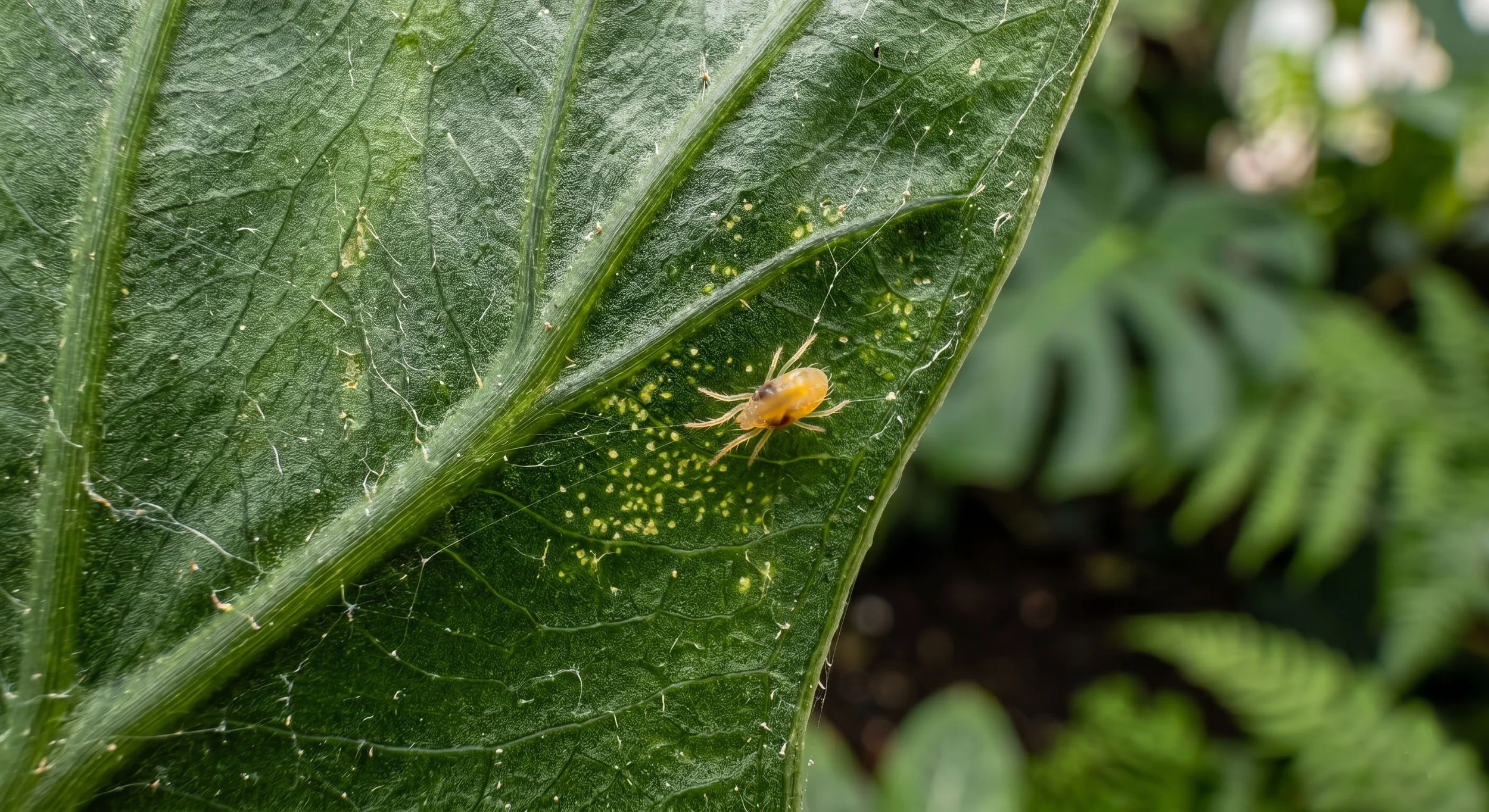
The Culprits: Tiny, eight-legged arachnids that love hot, dry indoor air.
The Damage: They suck chlorophyll from the leaves, leaving behind pale, yellow stippling and telltale fine webbing on the undersides of leaves and stem joints.
Home Treatment: Wash the plant thoroughly in the shower or sink with tepid water to physically blast away the webs and mites. Afterward, spray the plant with a diluted neem oil or insecticidal soap solution.
The Predator Bug Solution: Purchase and sprinkle Phytoseiulus persimilis or Neoseiulus californicus (Predatory Mites) directly onto the leaves. These microscopic good bugs are absolute machines—they will aggressively hunt down, eat, and eradicate spider mites and their eggs without ever leaving the plant.
2. Mealybugs
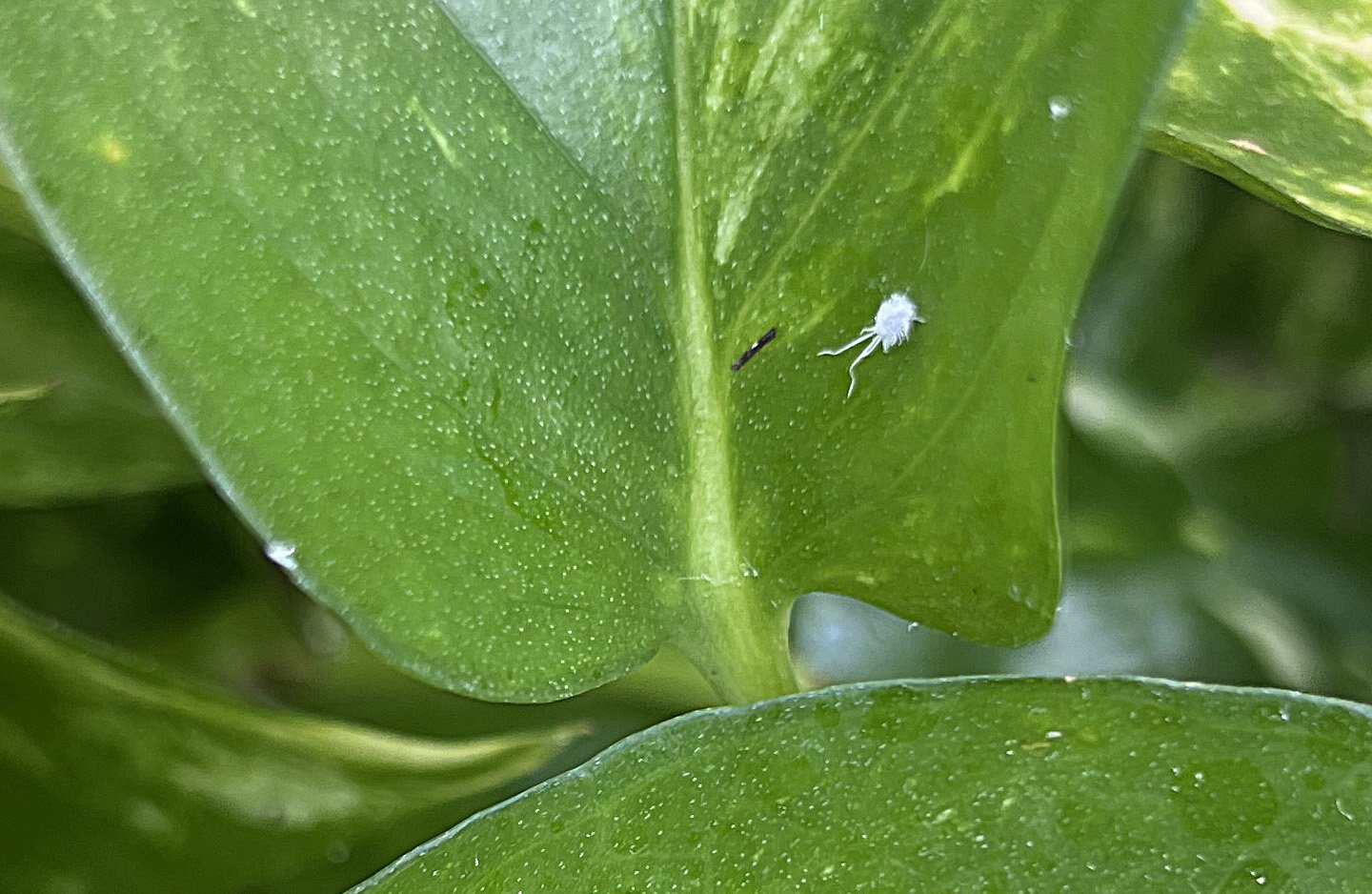
The Culprits: Soft-bodied insects that look like tiny, slow-moving pieces of white cotton. They love hiding in the tight crevices of new growth.
The Damage: They secrete a sticky substance called honeydew, which stunts plant growth and attracts sooty mold.
Home Treatment: Dip a cotton swab in 70% rubbing alcohol and dab it directly onto the mealybugs to dissolve their protective waxy coating. For larger infestations, spray the plant with insecticidal soap.
The Predator Bug Solution: Release Cryptolaemus montrouzieri, famously known as the "Mealybug Destroyer." This is a beneficial ladybird beetle whose larvae actually look like giant mealybugs to blend in. You can sprinkle them directly onto heavily infested stems, and they will voraciously devour entire mealybug colonies.
3. Fungus Gnats
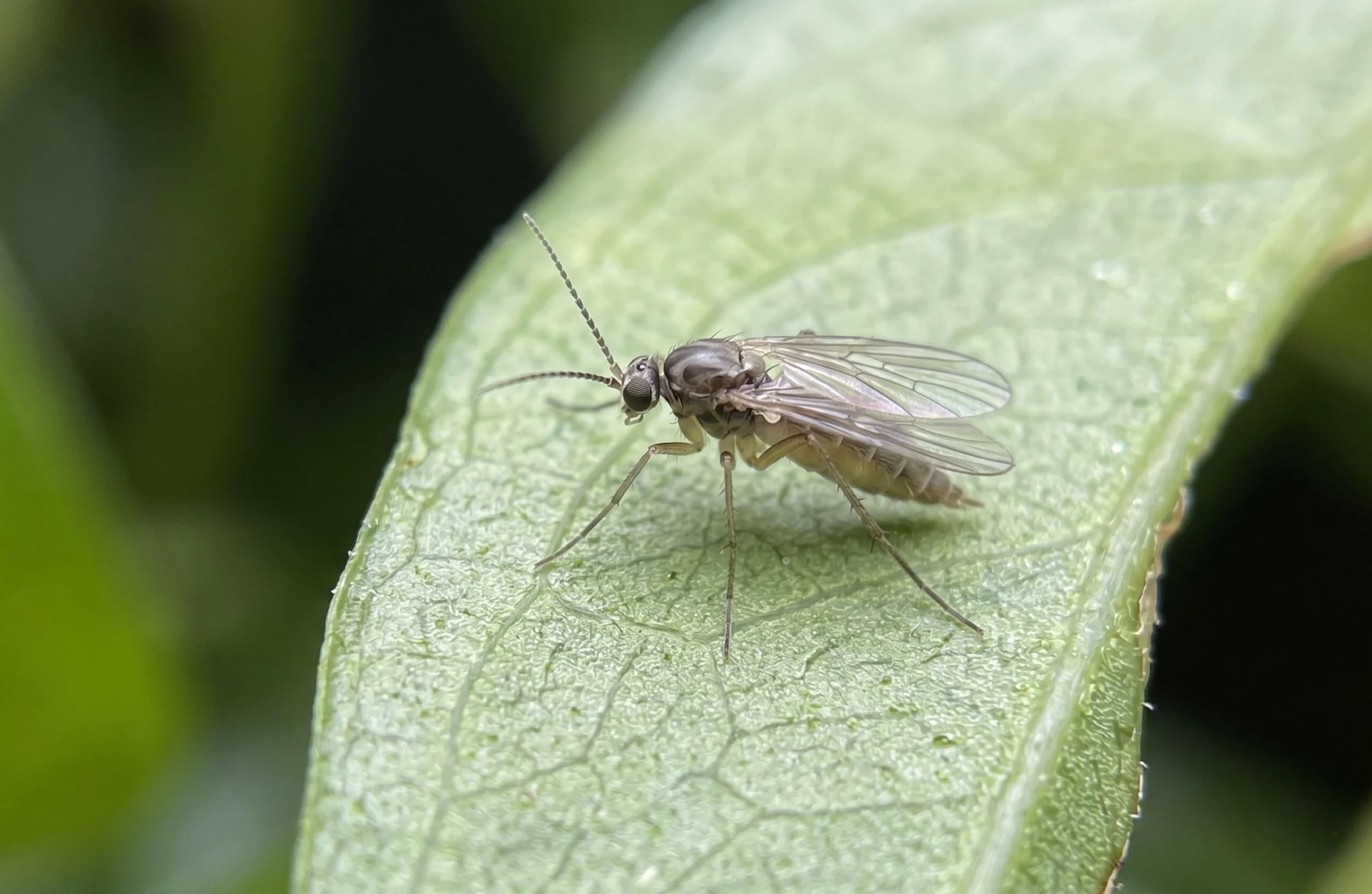
The Culprits: Tiny, black flies that flit around the base of your plants. They are attracted to decaying organic matter and overwatered soil.
The Damage: The adults are harmless nuisances, but their larvae live in the soil and feast on delicate root hairs, which can weaken young tropicals.
Home Treatment: Let the top 2 inches of soil dry out completely between waterings. Use yellow sticky cards placed at the soil level to trap the flying adults, and drench the soil with water mixed with Bacillus thuringiensis israelensis (BTI) to eliminate the larvae.
The Predator Bug Solution: Sprinkle Hypoaspis miles (Soil Mites) right onto the topsoil, or water your plants with Beneficial Nematodes (Steinernema feltiae). Both are invisible, subterranean helpers that live exclusively in the dirt, hunting down and eating fungus gnat larvae before they can hatch into flies.
4. Thrips
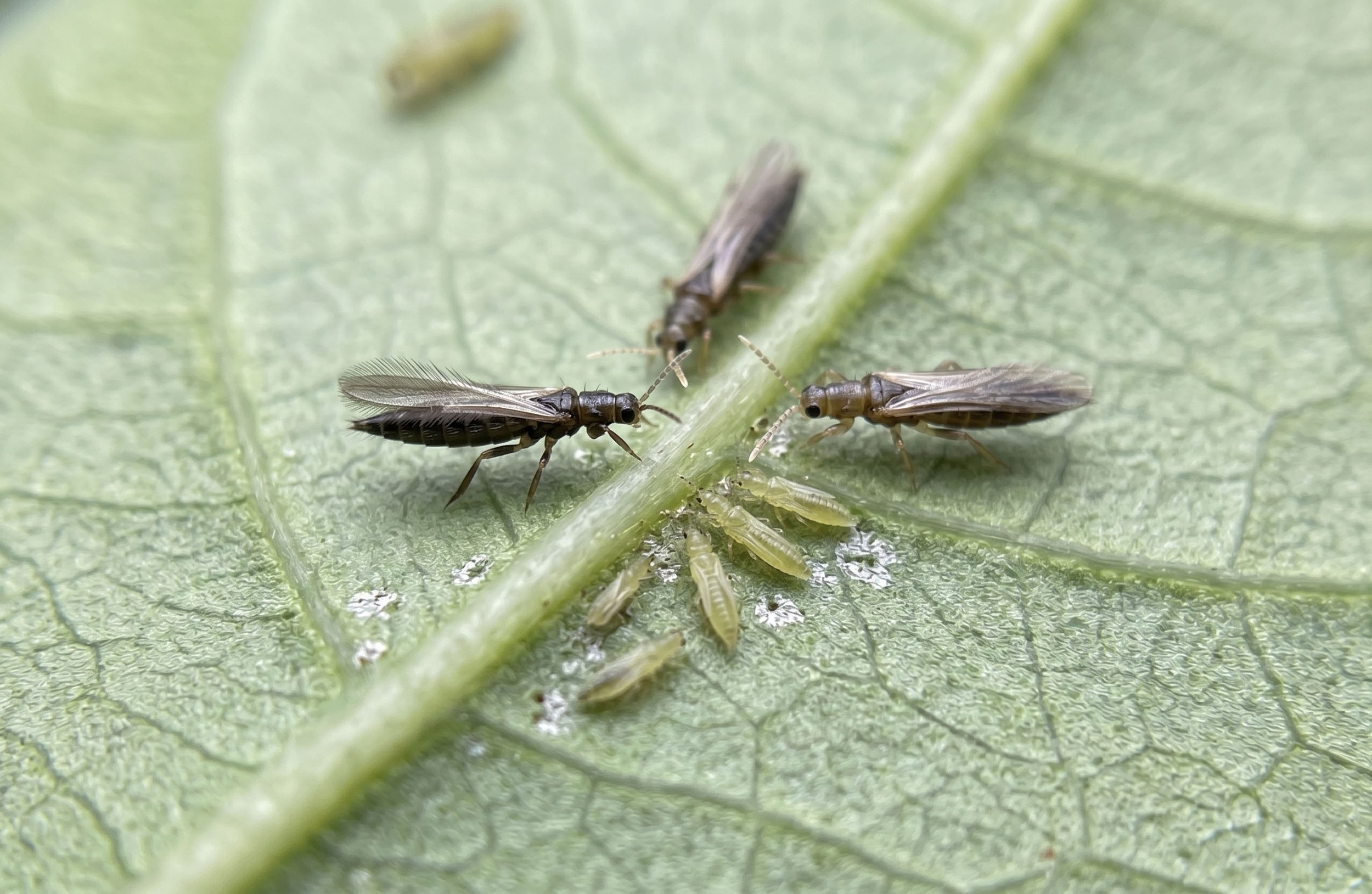
The Culprits: Slender, microscopic insects (usually black, brown, or yellow) that crawl rapidly across the leaves and spread incredibly fast.
The Damage: Thrips rasp the leaf surface to suck out the sap, leaving behind distinctive silvery, washed-out patches and tiny black dots of fecal matter.
Home Treatment: Immediately rinse the plant to dislodge as many thrips as possible. Spray the plant thoroughly with Spinosad (a natural bacterial byproduct) or a systematic horticultural oil.
The Predator Bug Solution: Hang slow-release mini-paper sachets of Amblyseius swirskii or Neoseiulus cucumeris on the plant branches. These predatory mites will slowly crawl out of the sachets over the course of 4 weeks, patrolling the foliage and eating thrips larvae as soon as they hatch.
5. Scale
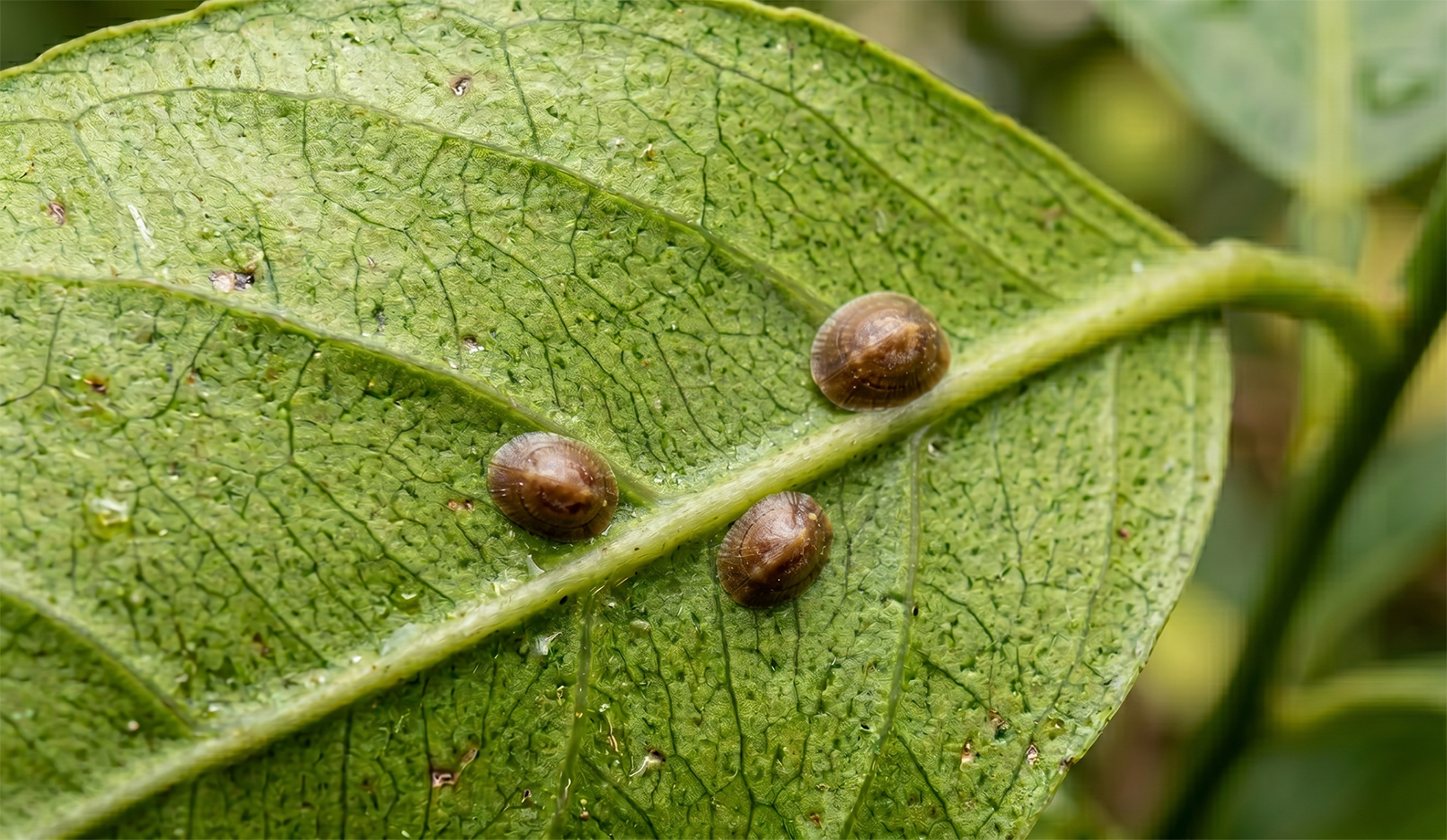
The Culprits: Stationary pests that look like small, hard, brown bumps or shells fused to the stems and leaf veins.
The Damage: They suck plant sap and excrete sticky honeydew, causing leaves to yellow and drop.
Home Treatment: Because their hard shells protect them from standard sprays, you must physically scrape them off using an old toothbrush or a cotton swab dipped in rubbing alcohol. Follow up with a coating of horticultural oil to smother the moving young.
The Predator Bug Solution: Sprinkle Green Lacewing Larvae (Chrysoperla carnea) onto the foliage using small paper release cups hung from the branches. Known as the "alligators of the bug world," these tiny, voracious predators will eat the mobile scale nymphs (called "crawlers") and any other soft-bodied pests they find.
Pro-Tip for Indoor Predator Bug Releases: When applying predatory mites or lacewings, lightly mist your plants with water beforehand. This gives the beneficial bugs a quick drink and helps the carrier material (usually sawdust or vermiculite) stick to the leaves rather than falling straight to the floor. Turn off any heavy circulating fans for the first 24 hours so your new tiny helpers can settle in!