

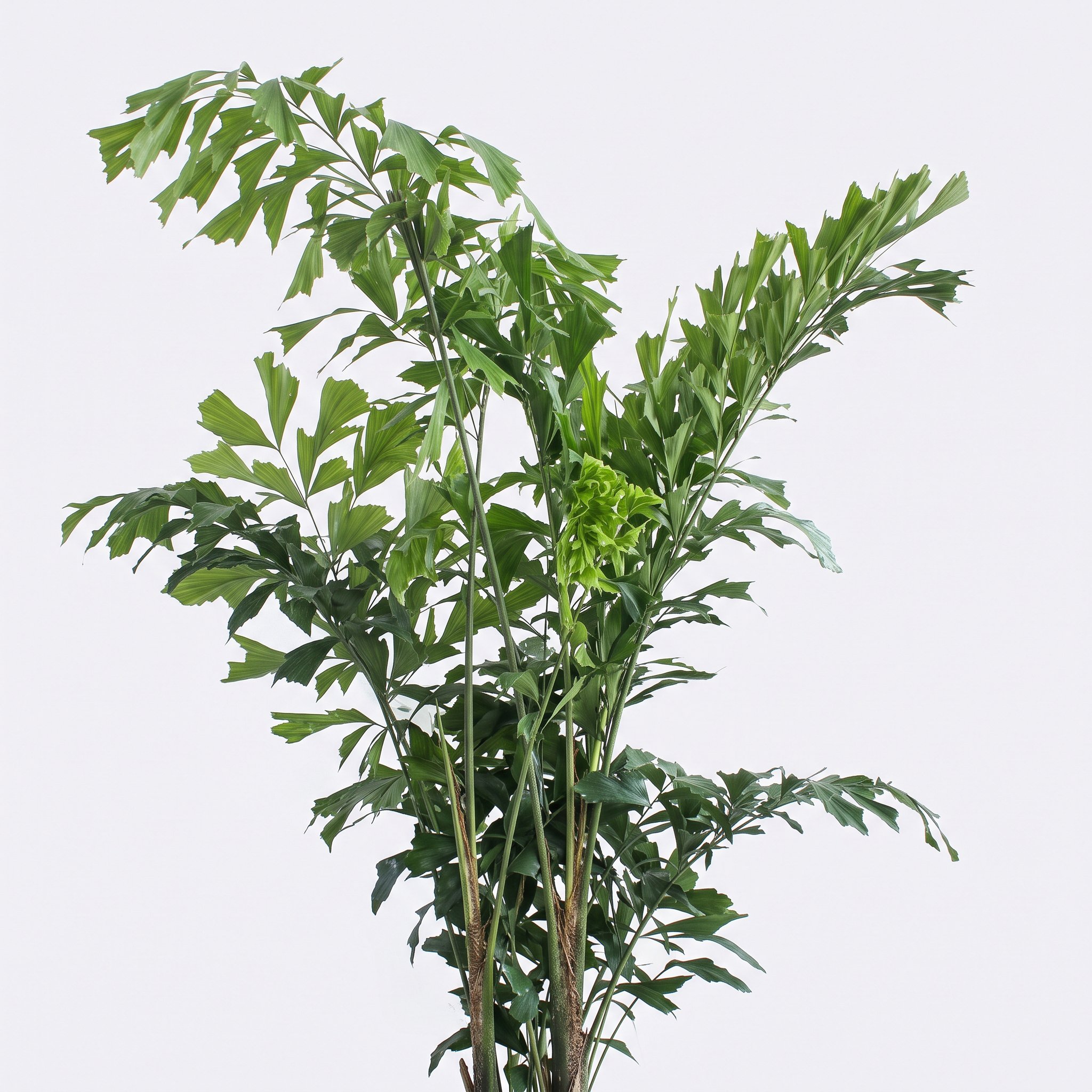
Hawaiian Grown Fishtail Palm
Native to the tropical rainforests of Southeast Asia and the Indian subcontinent, the Fishtail Palm is distinctively recognized for its uniquely ruffled, fan-shaped leaflets that resemble the tail fin of a fish, bringing an elegant, lush architectural texture indoors.
Moderately easy to care for once its light and moisture balance is met. It performs best in stable indoor environments with consistent warmth and benefits from average-to-high humidity.
-
Hawaiian Grown Fishtail Palm thrives in medium to bright indirect light (avoiding harsh, scorching direct rays).
-
Keep the soil evenly moist during the active growing season in the spring and summer, allowing only the top 1 to 2 inches to dry before watering again.
In fall and winter extend the time between waterings, allowing the top 30% to 50% of the soil to dry out before watering.
-
The Hawaiian Grown Advantage: Fishtail Palms cultivated in Hawaii benefit directly from the islands' year-round tropical sunlight, high ambient humidity, and mineral-dense volcanic lava soil. The unique, porous texture of Hawaiian lava rock creates superior drainage and aeration around the root zone, ensuring roots receive abundant oxygen while preventing the stagnant moisture that leads to root rot. This strong subterranean foundation promotes deep, vigorous root networks, enabling the palm to support fuller frond canopies, vibrant green color, and greater resilience when placed indoors.
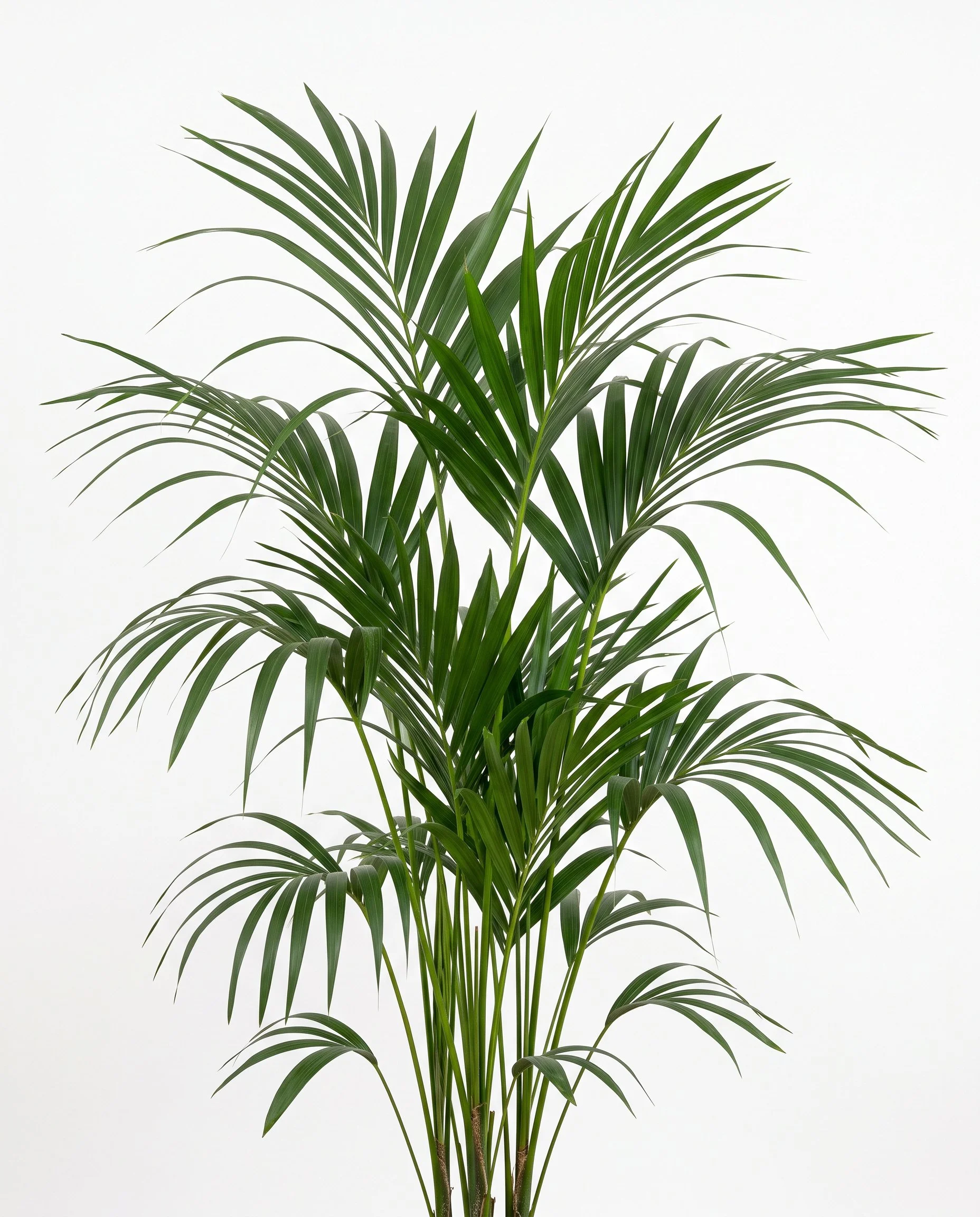
Hawaiian Grown Kentia Palm
Meet the Kentia Palm (Howea forsteriana)—also known as the Sentry Palm or Thatch Palm. Native to the subtropical rainforests of Lord Howe Island, a tiny volcanic paradise east of Australia in the Tasman Sea, this timeless classic brings effortless tropical elegance to any indoor space.
Feathery Foliage: Features sweeping, deep-green fronds that cascade in graceful arches, tipped with slender, tapering leaflets that soften modern interiors.
Architectural Stature: While naturally a solitary, single-trunk palm in the wild, growers pot them in staggered clusters of two to five stems to create a lush, full, and multi-layered silhouette.
Wonderfully Resilient: Exceptionally slow-growing, calm, and forgiving. It easily shrugs off low light, dry indoor air, and cooler drafts far better than most other palms, making it one of the most reliable houseplants available.
Pet-Friendly: Completely non-toxic and safe around curious cats and dogs.
-
Set in an area with soft, filtered sunlight or steady ambient room light; keep out of harsh afternoon sunbeams to prevent leaf fading.
-
Test Soil Moisture: Insert a wooden moisture probe or your finger 2 inches into the soil before every watering; only proceed if the medium feels cool and dry to the touch.
Flush Thoroughly: Water until a minimum of 10–15% runs through the drainage holes to wash out accumulated fertilizer salts from the porous volcanic mix.
Empty Saucer: Discard all runoff from the collection tray within 15 minutes to keep bottom roots elevated and aerated.
Spring through Summer (Active Growth): Water thoroughly when the top 1 to 2 inches of the soil feel completely dry. Pour water evenly across the entire surface until it drains freely out of the bottom holes.
Fall through Winter (Semi-Dormancy): Growth slows dramatically as daylight decreases. Extend the intervals between waterings, letting the soil dry out about halfway down the container (the top 2 to 3 inches or more) before adding moisture.
Drainage Protocol:
Never let the pot sit in standing water. Always empty drip trays or cachepots within 15–20 minutes after watering to prevent anaerobic conditions and root rot.
Diagnosing Watering Issues:
Overwatering Signs: Yellowing lower fronds, soft stem bases, a sour/musty soil scent, or black-tipped leaflets.
Underwatering Signs: Crisp, curling brown tips across multiple fronds, or a dull, faded green color across the foliage.
Water Quality: Kentia palms are somewhat sensitive to fluoride, chlorine, and high mineral salts found in hard tap water. Using filtered, distilled, or rainwater prevents localized salt crusts and edge browning.
-
When grown in premium Hawaiian volcanic soil blends, Kentia palms benefit from structural and chemical properties rarely found in standard peat-heavy mixes:
Superior Aeration and Drainage:
Hawaiian volcanic cinder and basaltic lava rock are naturally highly porous with an open cellular structure.
This prevents the medium from compacting over time, ensuring root zones receive ample oxygen even immediately after deep soakings—virtually eliminating the risk of root suffocation.
Optimal Moisture Buffering:
Porous volcanic particulates absorb water internally within micro-pores while allowing excess gravitational water to drain away freely through macro-pores.
This keeps moisture consistently accessible to feeder roots without leaving the root zone waterlogged or soggy.
Natural Trace Mineral Enrichment:
Weathered volcanic soil is inherently rich in essential micronutrients (iron, magnesium, potassium, calcium, and silica).
These minerals support strong cell-wall integrity in the stems and promote rich, deep-green pigmentation in the broad fronds.
Structural Stability:
Volcanic cinder adds natural weight and ballast to the container, preventing tall, architectural palms from tipping over in interior settings.
Unlike pure peat or coco fiber, volcanic particles do not decompose or collapse, maintaining stable soil volume and porosity for several years between repottings.
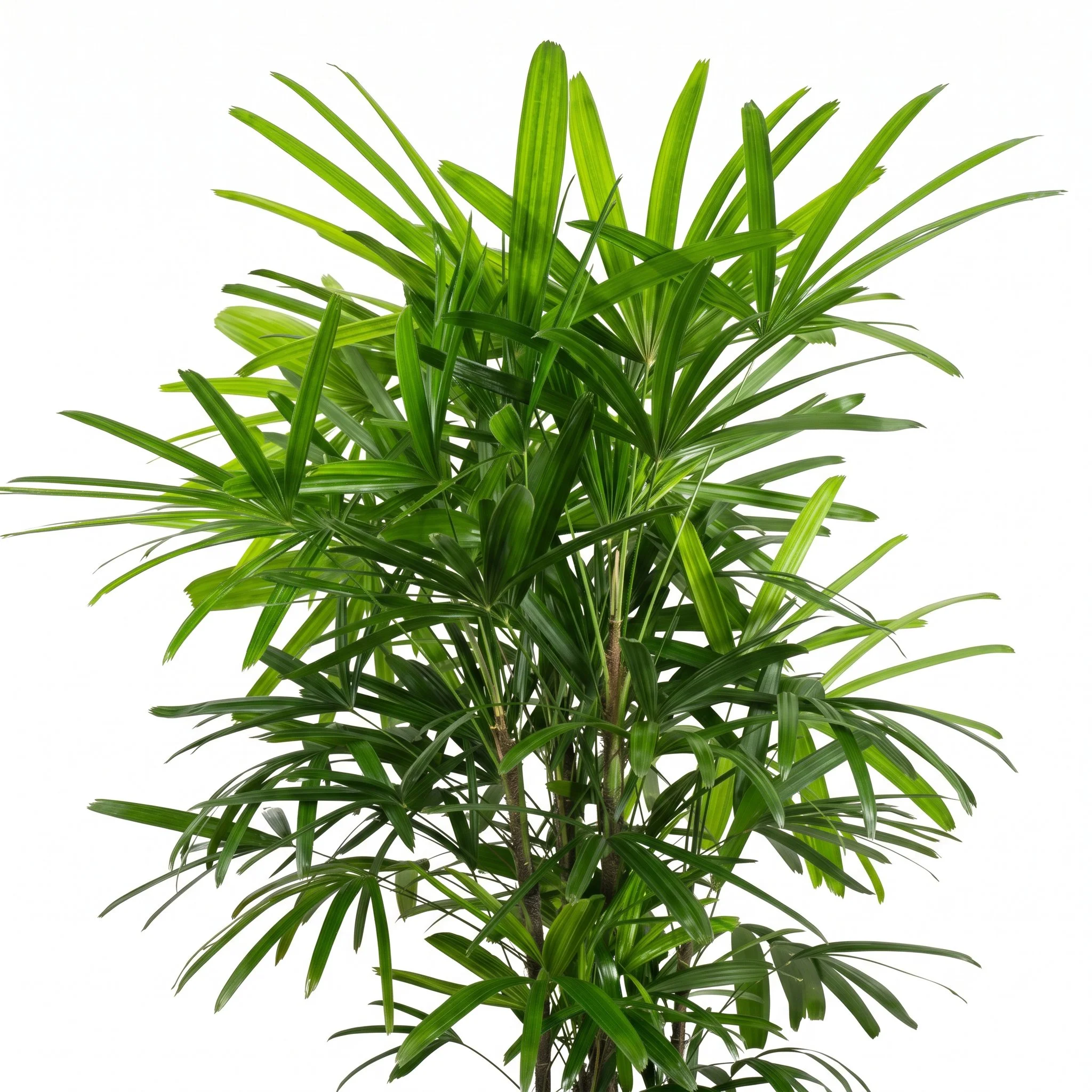
Hawaiian Grown Rhapis Palm
Meet the Rhapis Palm—frequently referred to as the Lady Palm—one of the most charming, easygoing, and elegant houseplants you can welcome into your home. Grown in the sun-drenched, nutrient-rich conditions of Hawaii, each palm arrives vibrant, strong, and ready to thrive. With its lush, fan-shaped fronds and handsome bamboo-style canes wrapped in rustic fiber, it instantly brings a timeless tropical warmth to any corner.
Best of all for animal lovers, the Lady Palm is 100% non-toxic and pet-friendly! You can enjoy its graceful beauty with complete peace of mind, knowing it is entirely safe around curious cats and dogs. Incredibly forgiving, it asks for very little beyond soft, indirect light and a steady drink, making it a reliable, stress-free green companion for busy households.
-
Indoor Preference: Thrives in low to bright, indirect light. Lady Palms are legendary for their ability to tolerate dimmer interior corners where other palms struggle.
Sun Protection: Shield completely from hot, direct sunbeams, which will scorch and fade the delicate pleated leaf segments.
-
Spring & Summer (Active Season): Water thoroughly when the top 1 to 2 inches of soil feel dry to the touch. Drench until water escapes through the bottom drainage holes.
Fall & Winter (Resting Season): As indoor daylight drops, slow down your schedule. Allow the soil to dry out about halfway down the pot before providing a drink.
Runoff: Always empty standing water from the saucer or cachepot within 15 to 20 minutes so the bottom roots stay aerated.
-
Permanent Root Aeration & Gas Exchange:
Hawaiian volcanic cinder and crushed basalt feature a vesicular, honeycombed pore structure. Because these minerals never compact or break down over time, the root system and underground rhizomes maintain constant access to fresh oxygen, virtually eliminating the risk of anaerobic root rot.
Optimal Hydration Without Sogginess:
The internal micro-pores of volcanic rock draw in and store moisture, releasing it gradually to fine feeder roots. Meanwhile, the larger gaps between aggregate pieces allow excess gravitational water to flush out freely, providing steady hydration without creating the waterlogged, muddy conditions.
Natural Trace Mineral Feeding:
Weathered Hawaiian volcanic substrates naturally supply critical micronutrients, including iron, magnesium, silica, calcium, and potassium. This steady mineral uptake supports cell-wall strength in the upright, fibrous canes and promotes the deep, lustrous emerald-green sheen characteristic of healthy foliage.
Structural Ballast & Root-Ball Stability:
Because the Rhapis palm grows as a clumping cluster of dense, upright bamboo-style canes, it can easily become top-heavy. The natural heft of volcanic cinder provides substantial ballast at the base of the container, keeping the root ball firmly anchored and preventing mature pots from tipping over.