

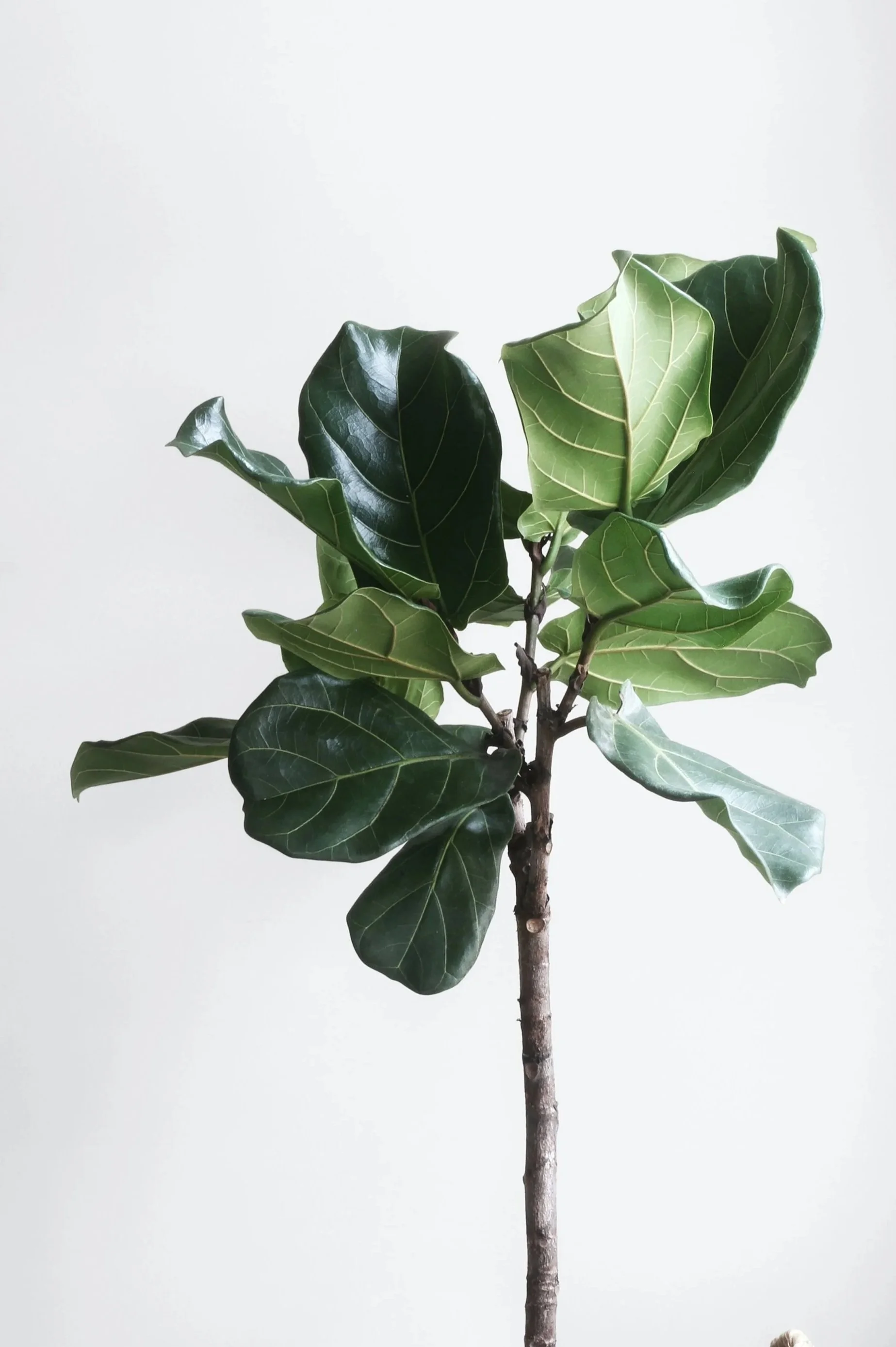
Ficus
Ficus are known for being dramatic…like drop their leaves when you move them dramatic. However, if you’re up for a challenge, varieties like the Fiddle Leaf Fig and Ficus Audrey have become quite popular as indoor decor due to their beautiful leaves and structure.
-
Ficus prefer full day bright indirect light. Depending on the variety, they can usually handle partial direct sunlight. Also, depending on the variety, they can occasionally handle moderate indirect light. When in doubt, bright indirect light is best.
You can find your variety below for more specific care instructions.
-
Ficus can be finicky with their watering so it may take some time to get it down. Ficus prefer evenly moist soil, however, they don’t like to be soggy or dry out all of the way. We recommend letting the soil dry out about halfway between waterings helps prevent root rot, which is one of the most common issues with ficus care.
Check the soil by sticking your finger about 1–2 inches deep. If it feels dry, it's time to water. If it still feels moist, wait a few more days.
When you water, make sure to water thoroughly so that the excess drains out of the bottom of the pot. This ensures the roots get a good drink.
-
Ficus prefer a light, well-draining soil. A standard houseplant mix works well, but adding a little perlite or orchid bark for extra aeration can be helpful.
During the growing season (typically spring and summer), you can fertilize your ficus about once a month. In fall and winter, when the plant is generally in a dormant phase, it’s best to reduce fertilizing or stop altogether.
Occasionally fertilizing and repotting, you’ll encourage steady growth and keep your ficus looking lush and vibrant.
Pick Your Variety:
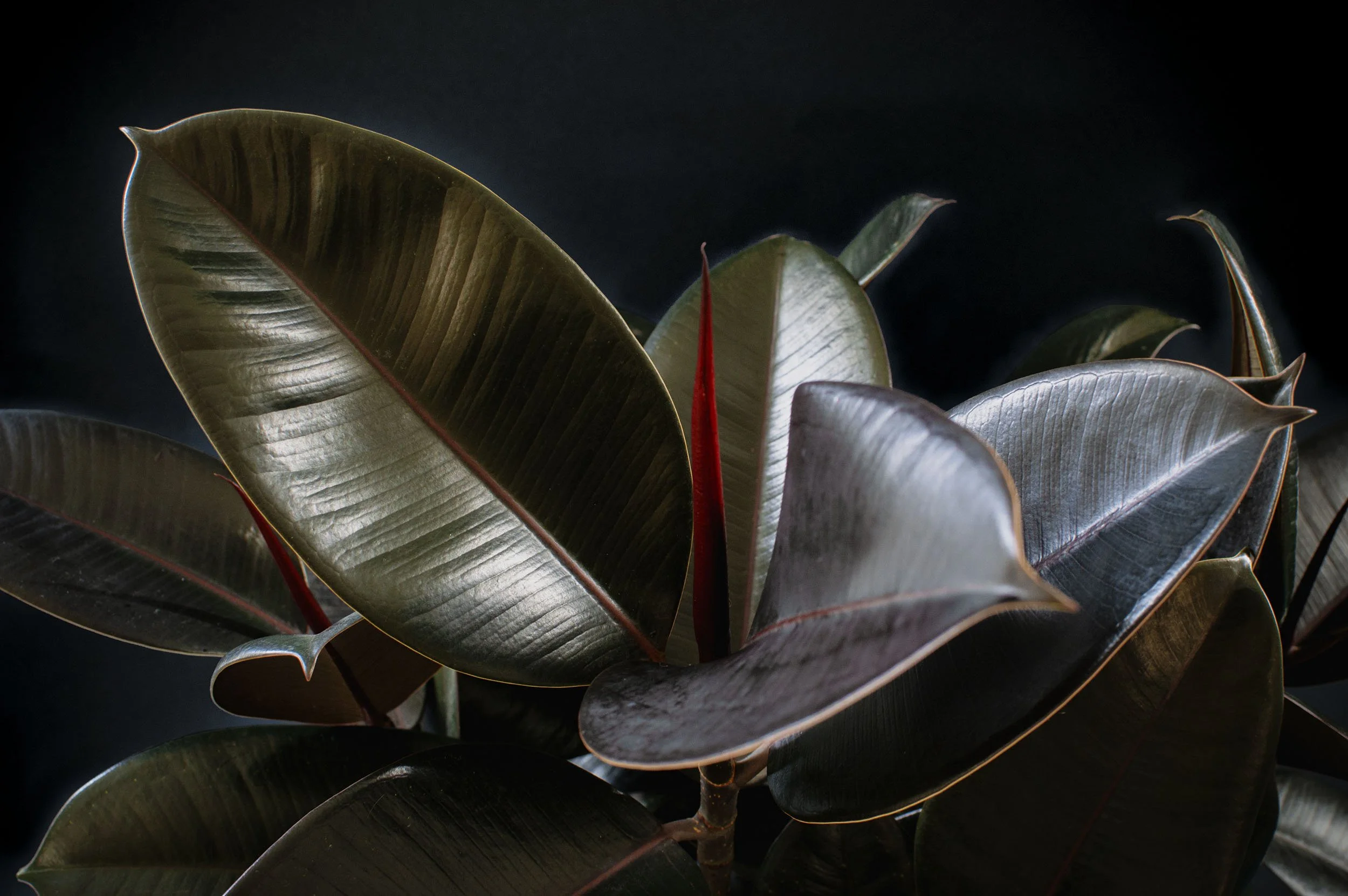
Ficus Burgundy
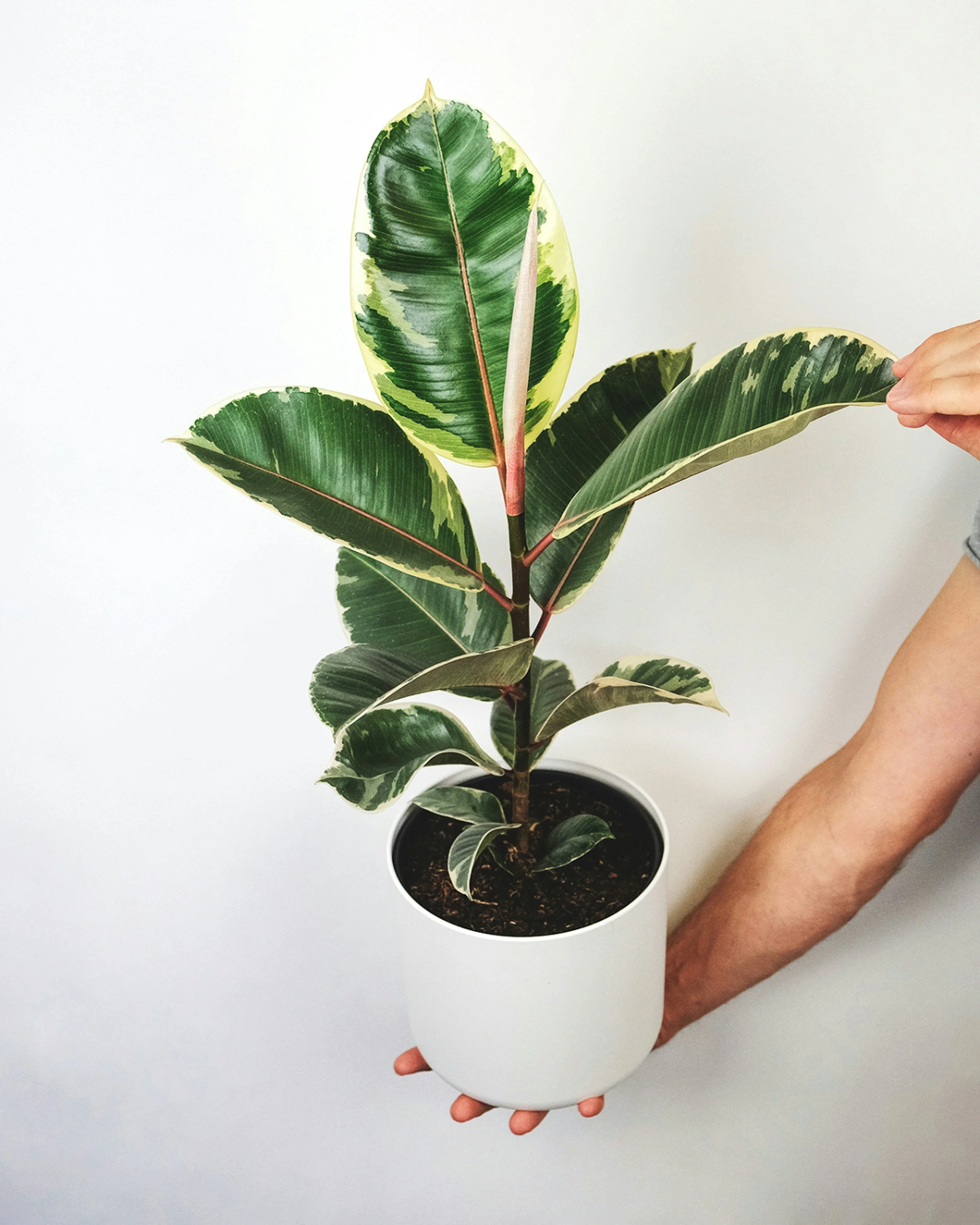
Ficus Elastica
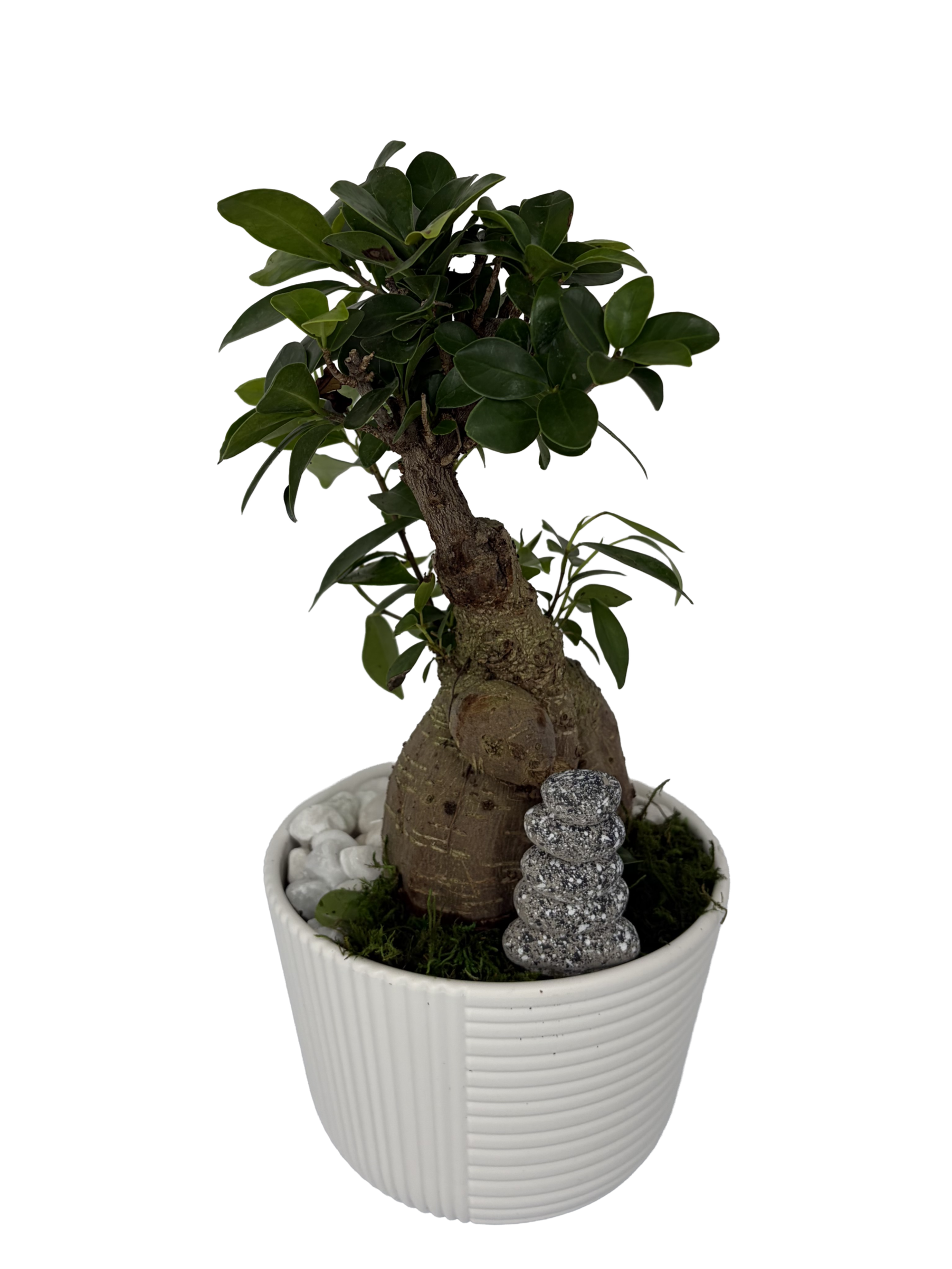
Ficus Ginseng