Peperomia
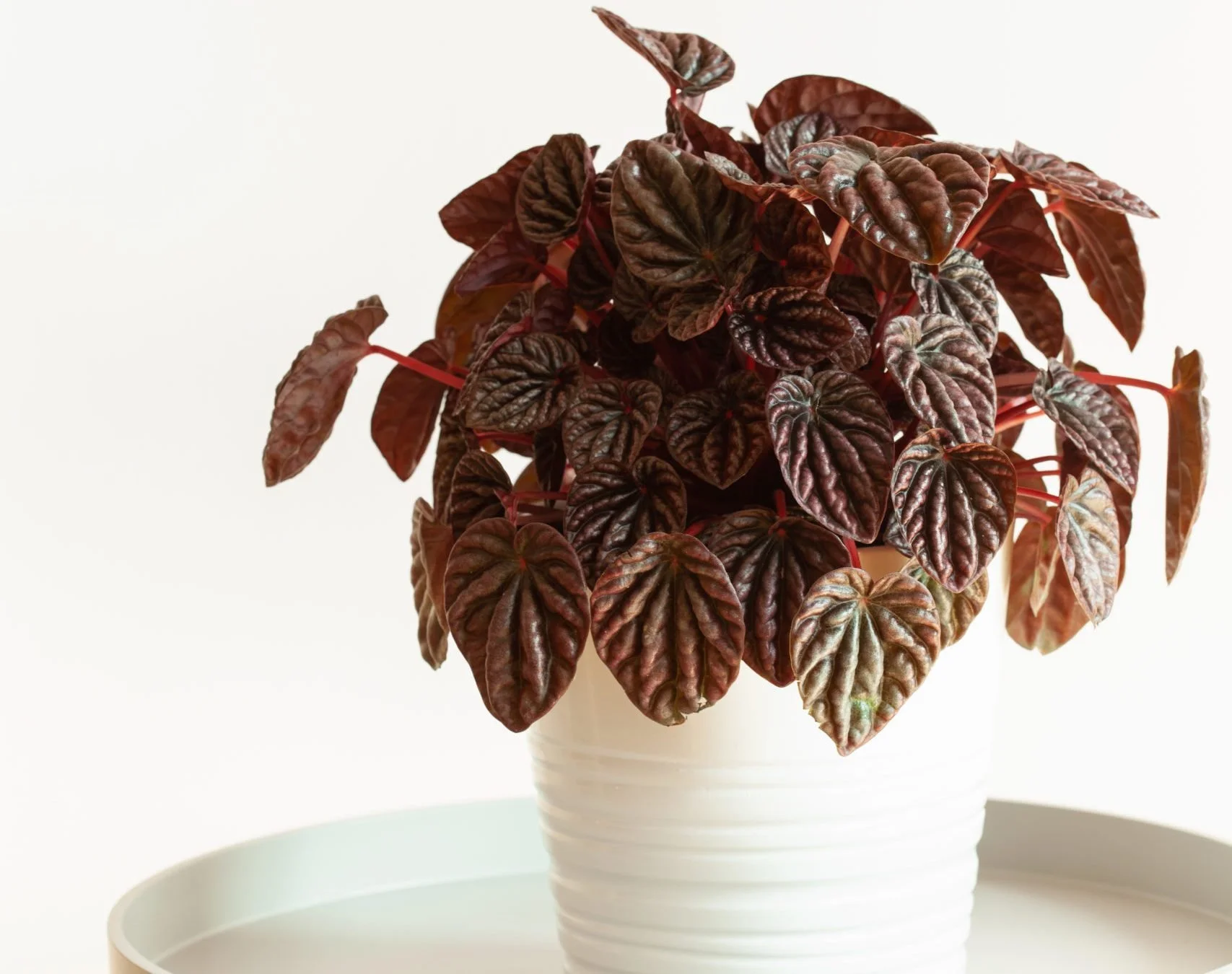
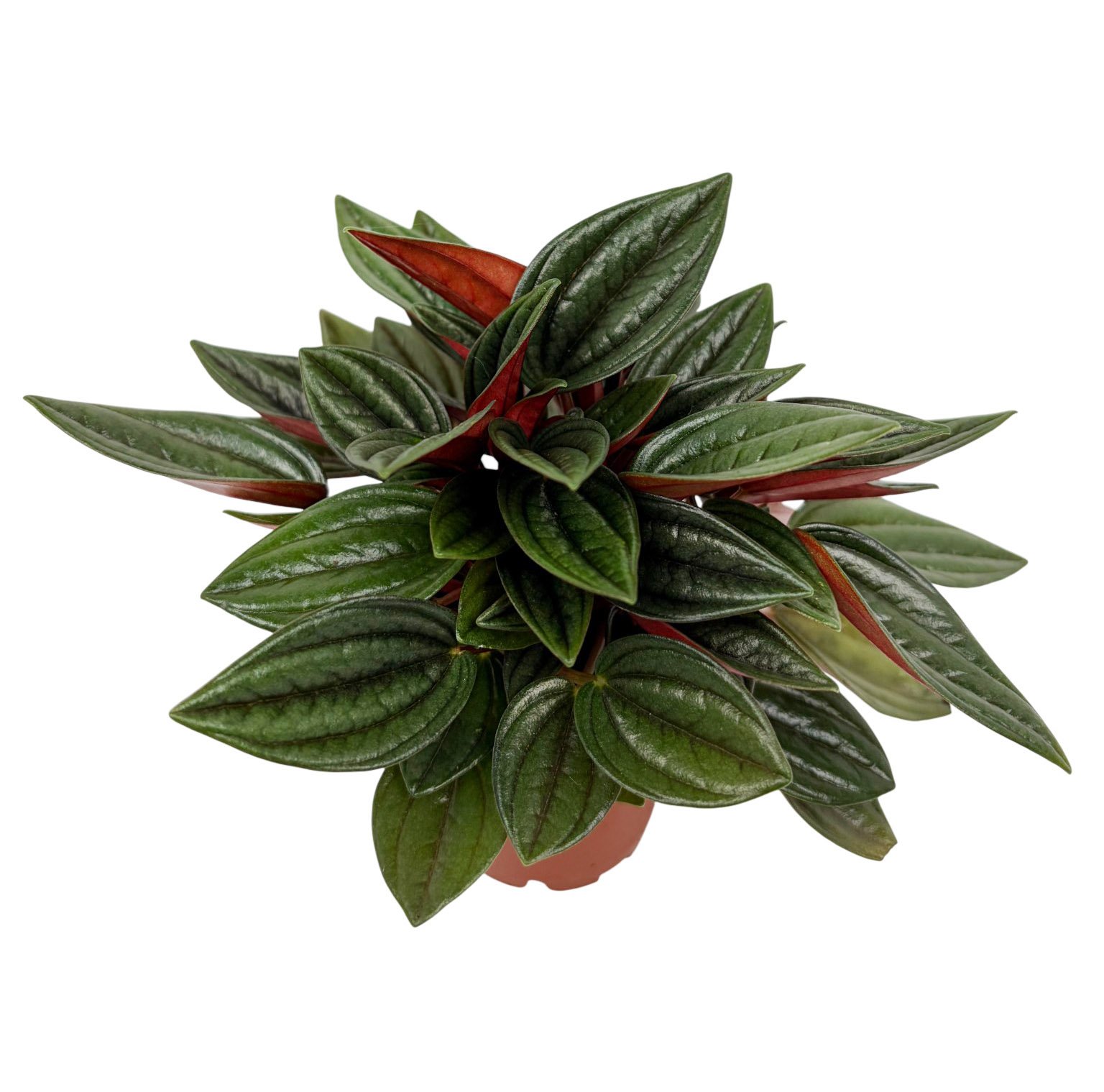
Peperomia are a very large genus family, with more than 1,500 known species, so these hearty plants can vary significantly in appearance.
-
Peperomia plants do best when placed in a spot with bright, indirect light. A window with sheer curtains or a spot a few feet away from a bright window works well. Avoid placing your Peperomia in direct sunlight, as this can scorch its delicate leaves.
Peperomias are adaptable and can tolerate lower light conditions, but they won’t grow as quickly or produce their best foliage. The plant may become leggy, and its leaves might lose some of their vibrancy.
If your Peperomia isn't getting enough light, the leaves may start to yellow, and the plant might stop growing. If you notice this, consider moving it to a brighter spot.
-
Like many houseplants, Peperomias prefer to dry out slightly between waterings. Stick your finger into the top inch of soil, and when it feels dry, it’s time to water.
Avoid Overwatering: Peperomias are susceptible to root rot if left in waterlogged soil, so make sure the pot has good drainage and never let the plant sit in standing water.
Peperomias appreciate moderate to high humidity, though they can adapt to the average indoor humidity level. If you live in a dry area, consider increasing humidity with a humidifier or misting the leaves occasionally.
-
Use a well-draining potting mix, like one made for succulents or cacti, as Peperomias don’t like to sit in overly moist soil. A mix that includes some perlite or sand for aeration will work well.
Fertilize During the Growing Season. You can feed your Peperomia once a month during the spring and summer with a balanced, water-soluble fertilizer. Avoid fertilizing during the dormant months (fall and winter).
Pick Your Variety:
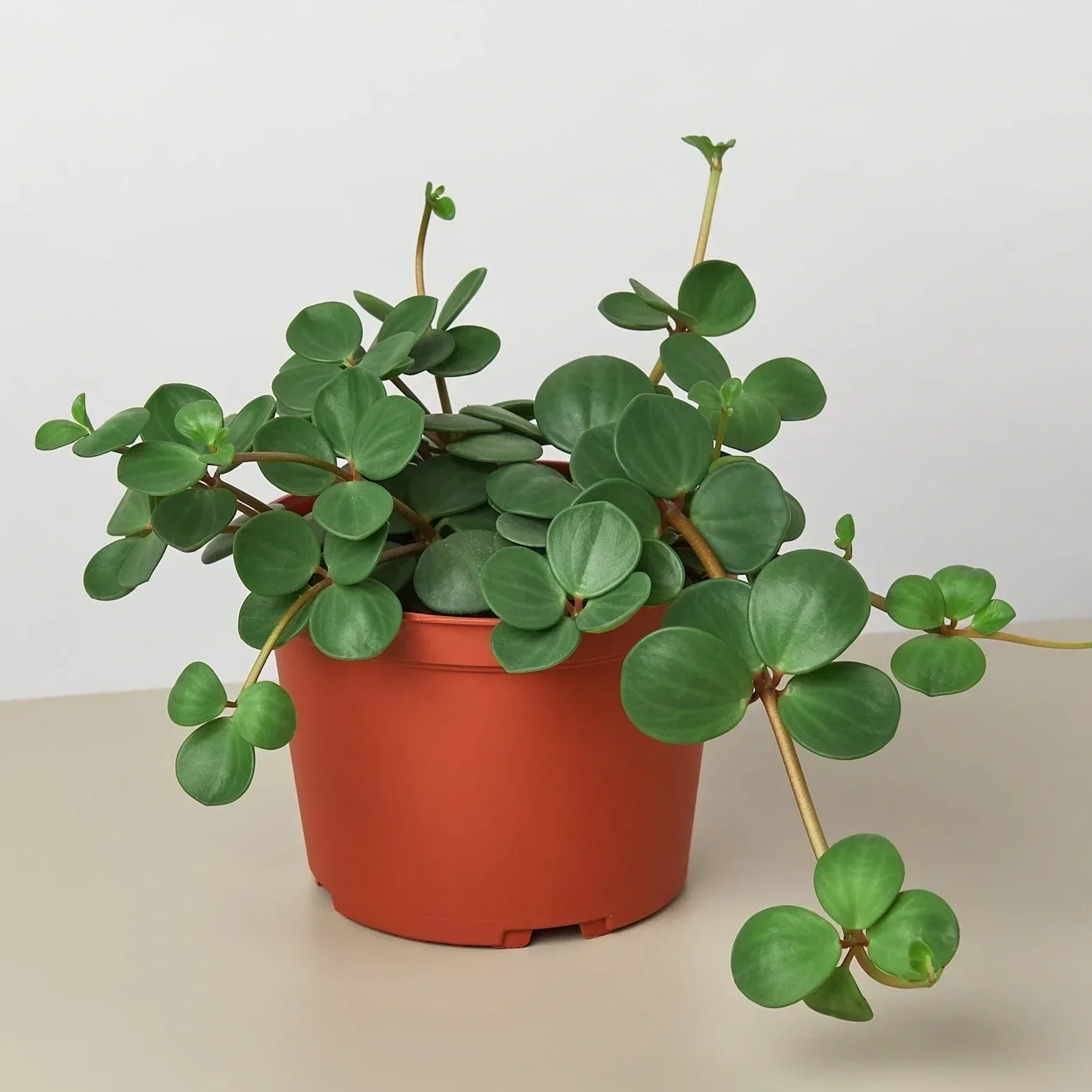
Peperomia Hope