Hoya
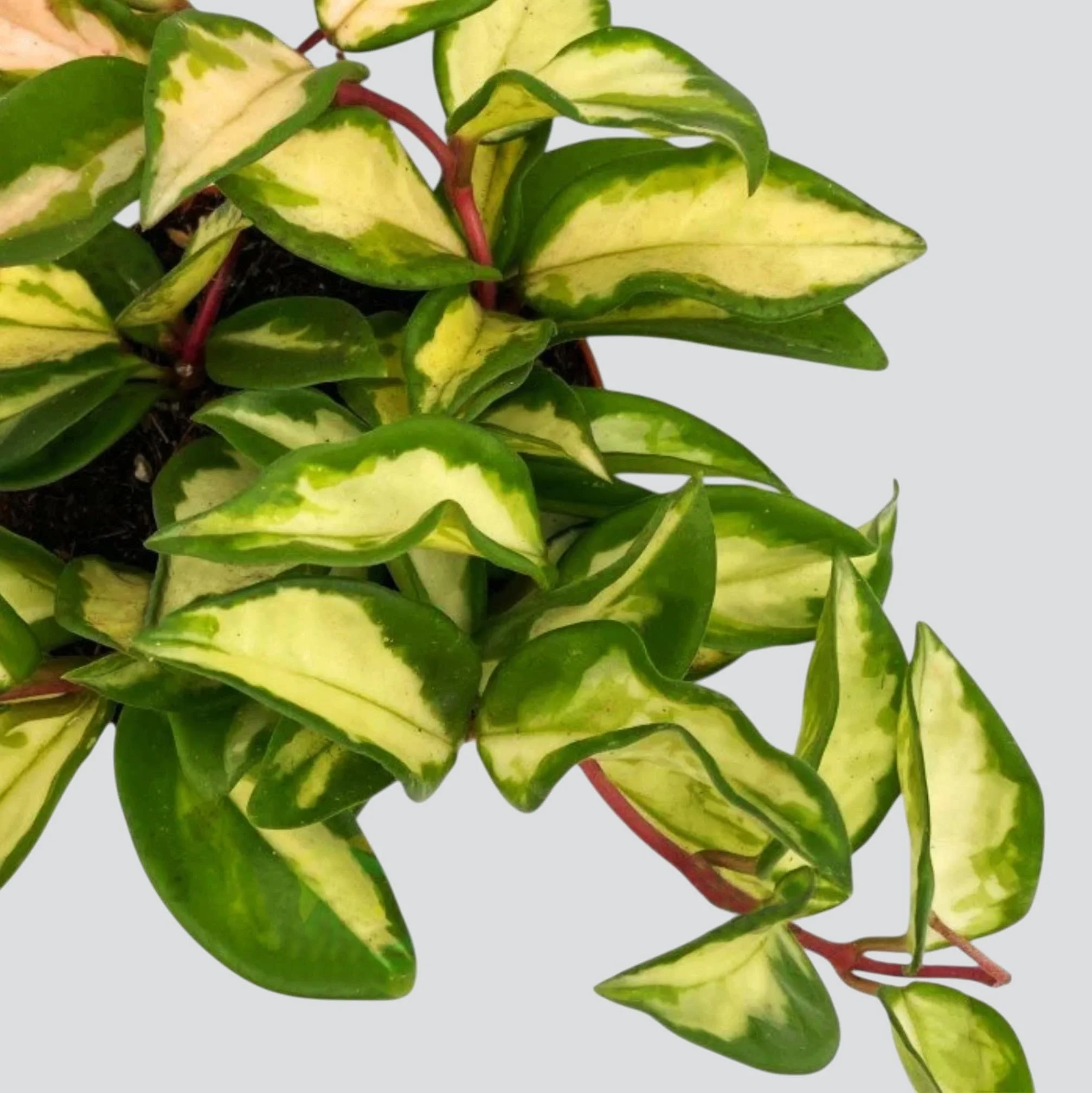
Hoya are a waxy climbing or trailing plant that produces unique flowers. In optimal condition, Hoya will produce clusters of white or pink star-shaped flowers, oftentimes smelling sweet like chocolate.
-
Ideal Light Conditions: Hoyas thrive with several hours of bright, indirect light per day. Placing them a few feet away from a south or west-facing window, or directly in an east-facing window, is often perfect. This type of light promotes vigorous growth and is essential for them to produce their beautiful, star-shaped flowers.
Avoid Direct Sun: While some Hoya species can be acclimated to tolerate more direct sunlight, especially morning sun, most varieties will get sunburned by harsh, direct afternoon sun. The leaves may turn a yellow, bleached, or even crispy color.
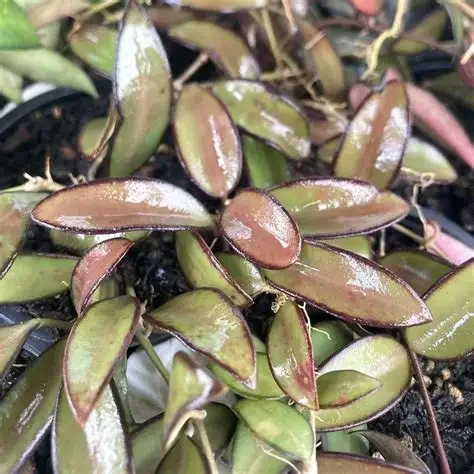
"Sun-Stressing" vs. Sunburn: Some Hoya varieties, particularly those with a waxy or succulent-like texture, will develop beautiful reddish or pinkish coloration when exposed to high light. This is called "sun-stressing" and is generally not harmful, though it's a sign they are receiving a lot of light. It's different from a pale, bleached-out look, which indicates sunburn.
Low Light is Not Ideal: Hoyas are often mistakenly thought of as low-light plants. While they can survive in low light, their growth will be slow, their leaves may lose their vibrant color, and they are very unlikely to bloom. If your plant is "leggy" (long stems with few leaves), it's a sign it needs more light.
-
For a healthy Hoya plant, proper watering is about balancing their succulent-like nature with their tropical origins. They are highly susceptible to overwatering, so a "less is more" approach is key.
Check the soil first: Water only when the soil is mostly dry. Because their leaves can store water, they are more forgiving of being a little too dry than a little too wet. You can check the soil with your finger or by using a wooden skewer.
Water thoroughly: When it's time to water, give the plant a deep, thorough soak. Water until you see it draining from the bottom of the pot. This ensures that the entire root system gets a drink. Always empty any excess water from the saucer to prevent root rot.
Adjust for the season: During the spring and summer (their active growing season), you will need to water more frequently. In the fall and winter, when the plant's growth slows, reduce the watering frequency significantly. It's not uncommon for a Hoya to go for a month or more without water during its dormant period.
Signs of overwatering: This is the most common cause of problems for Hoyas. Signs include yellowing leaves, mushy stems, or the leaves becoming soft and limp.
Signs of underwatering: While they are drought-tolerant, prolonged underwatering can still cause issues. Signs include wrinkled or shriveled leaves and a general limp or droopy appearance. The leaves may feel soft or flexible, rather than firm.
In general, it is always better to err on the side of underwatering than overwatering, as Hoyas can recover from a period of dryness but root rot from overwatering is often irreversible.
-
To help in avoiding root rot, the soil is a critical factor. As epiphytes in their native habitat, their roots are adapted to an airy, fast-draining environment. The ideal soil must be airy, well-draining, and chunky.
This is because Hoyas are extremely prone to root rot if their roots sit in soggy soil. A chunky mix creates air pockets that allow the roots to breathe, which is essential for their health. The soil should also have minimal moisture retention and a slightly acidic pH, typically between 5.5 and 6.5. Avoid using standard, dense potting mixes, as they will likely suffocate the roots.
Many people create their own mix using a small amount of potting soil or coco coir as a base. Essential additions include orchid bark and perlite for drainage and aeration. A simple, widely-used ratio is equal parts potting soil, orchid bark, and perlite. Alternatively, pre-made "Aroid mixes" or "Orchid mixes" can be a good starting point.
Pick Your Variety:
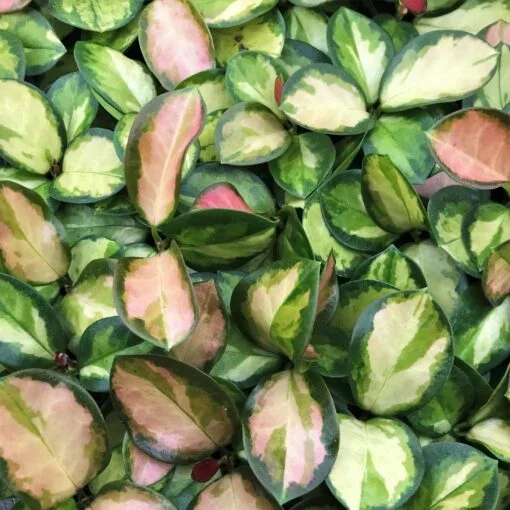
Hoya Australis Tricolor
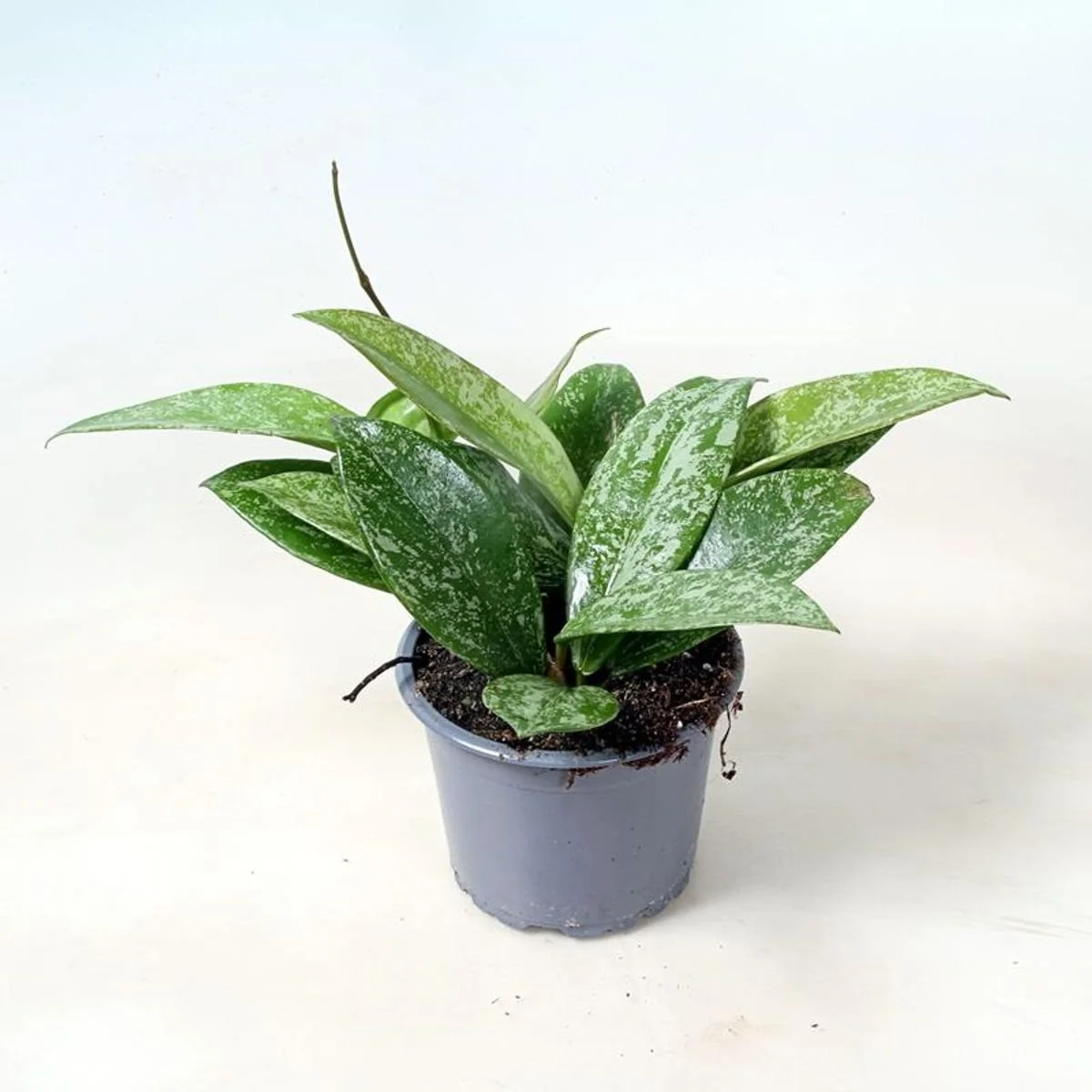
Hoya Publicayx Silver Spot