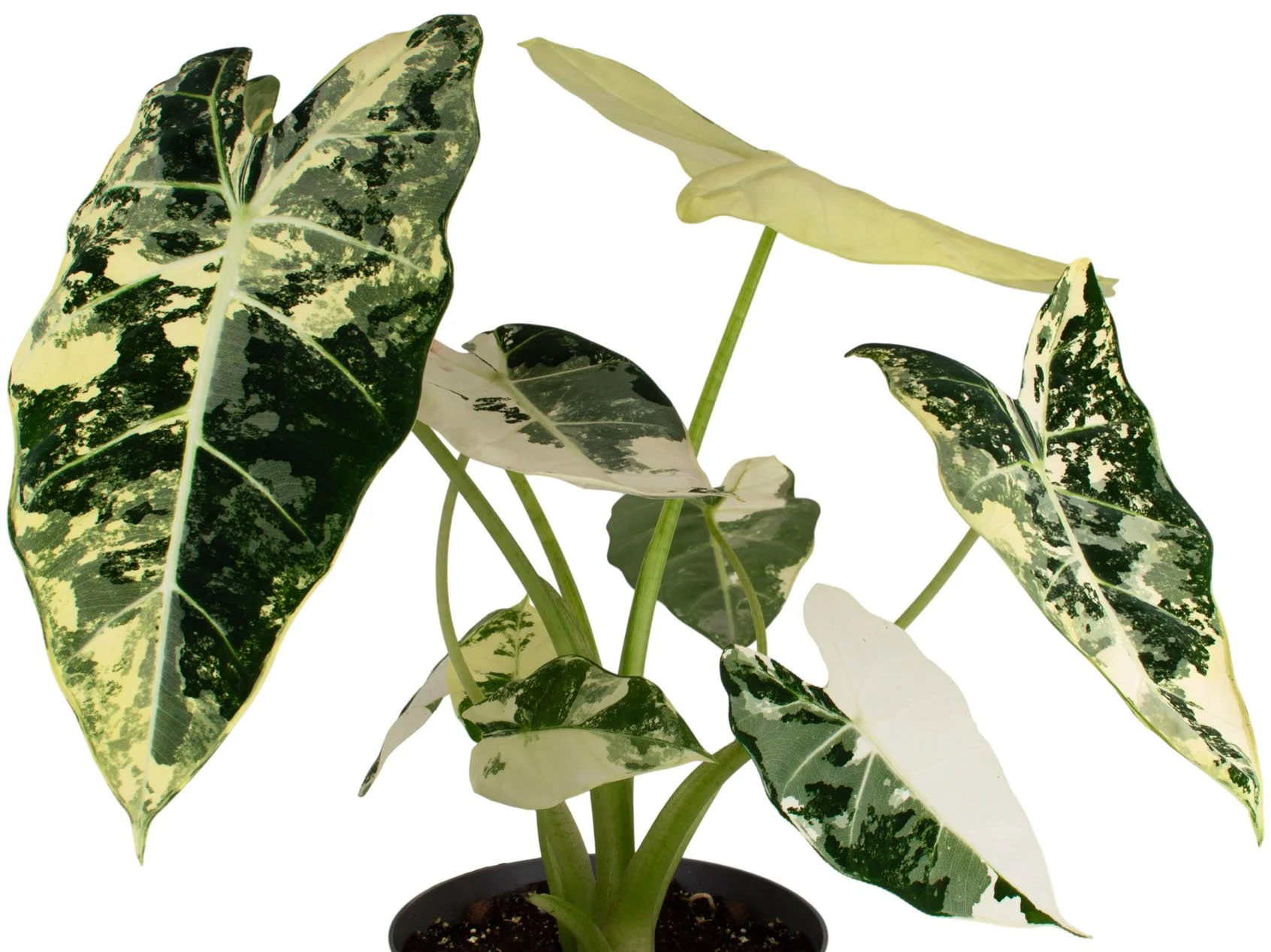
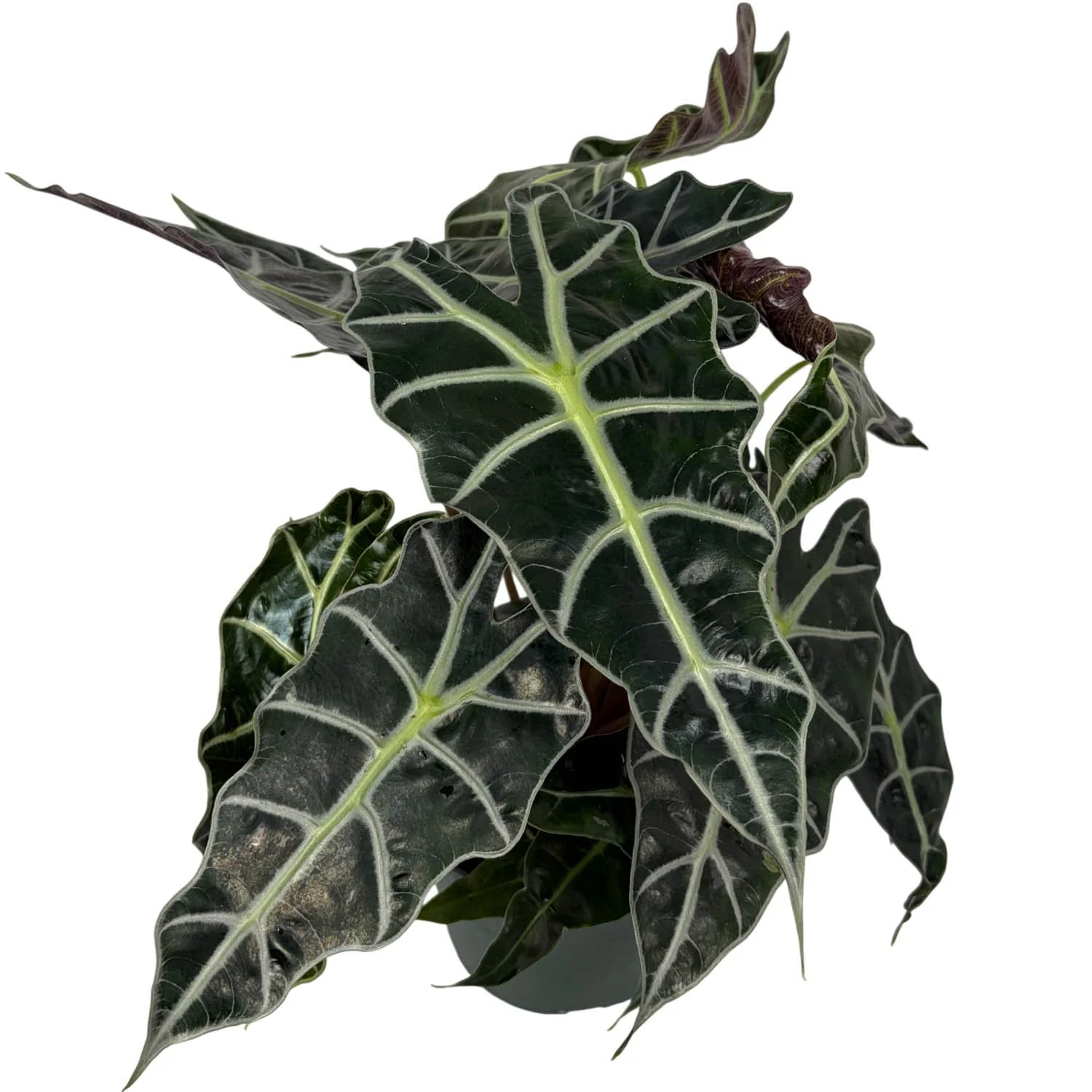
Alocasia
Oftentimes called “elephant ear” for their large heart shaped leaves, Alocasias make a striking houseplant option. They come in a variety of shapes, textures, and colors, making them a favorite genius for plant collectors.
-
For a healthy Alocasia plant, the primary light requirement is bright, indirect sunlight. This mimics their natural environment as understory plants in tropical rainforests, where they receive filtered light through a dense canopy. Alocasia plants need a significant amount of light to thrive and maintain their striking foliage. Placing them near a south-facing window with a sheer curtain to diffuse the light, or a few feet away from an unobstructed east or west-facing window, is often a perfect setup.
Avoid Direct Sunlight: Direct, harsh sun, especially the hot afternoon sun, can easily scorch an Alocasia's delicate leaves. This can lead to brown or yellow burnt patches and can be irreversible.
Low Light Is Not Optimal: While Alocasias can tolerate lower light, it is not ideal. In low light conditions, their growth will slow down dramatically, and they may not produce new leaves. The plant may also become "leggy," with long stems and smaller leaves as it stretches to find more light.
Signs of Improper Light:
Too much light: Leaves turning yellow, crispy, or developing brown, burnt spots. The vibrant colors and patterns may also fade.
Too little light: Slowed growth, smaller new leaves, and the plant becoming leggy. The leaves may also droop or become limp.
-
For a healthy Alocasia, the key to watering is to keep the soil consistently moist but never soggy. They are highly sensitive to both overwatering and underwatering, so finding the right balance is crucial.
The most important rule is to water when the top 2-3 inches of soil are dry to the touch. When you do water, do so until water begins to drain from the bottom of the pot. Always empty any excess water from the saucer to prevent the plant from sitting in stagnant water, which can lead to root rot.
Alocasias need more frequent watering in the spring and summer during their active growth. In the fall and winter, their growth slows, so reduce watering significantly. Drooping or yellowing leaves can signal overwatering, while wilted leaves with crispy edges are a sign of underwatering. As tropical plants, Alocasias also require high humidity, so a humidifier or a pebble tray is more effective than misting.
-
For a healthy Alocasia plant, the soil is a critical component. The ideal soil will be light, airy, and well-draining, while still retaining some moisture. This is essential to prevent root rot and mimic its native rainforest floor environment.
The most crucial factor is excellent drainage; the mix must allow excess water to flow out quickly. A good soil also has plenty of aeration to let roots "breathe," retains some moisture to keep roots hydrated, and is rich in organic matter to support their fast growth. Alocasias also prefer a slightly acidic pH, typically between 5.5 and 6.5.
Because standard potting mix is often too dense, many growers create their own custom blend. Essential components include a potting soil base with perlite or orchid bark for drainage and aeration, and coco coir or sphagnum moss for moisture and nutrients. A simple and effective ratio is one part each of potting soil, perlite, and coco coir or orchid bark. Alternatively, you can find commercial "Aroid mixes" designed for plants like Alocasia.
Pick Your Variety:
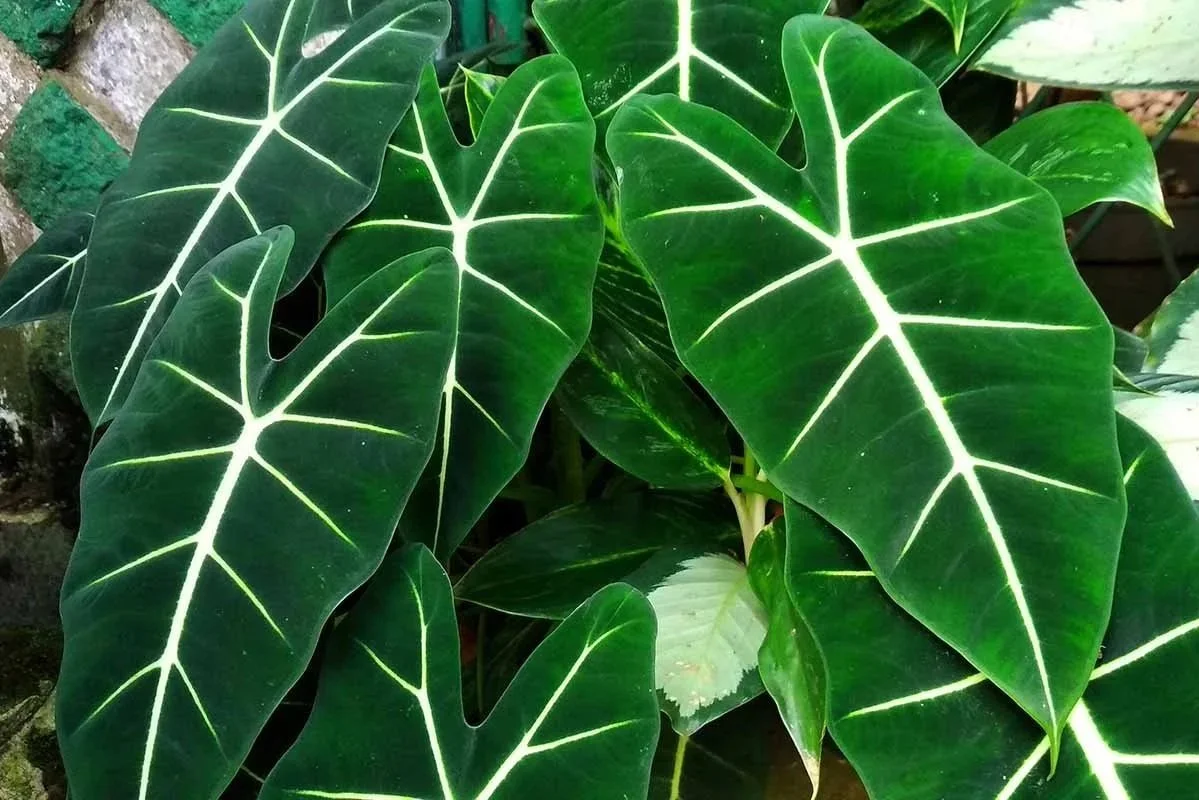
Alocasia Frydek